
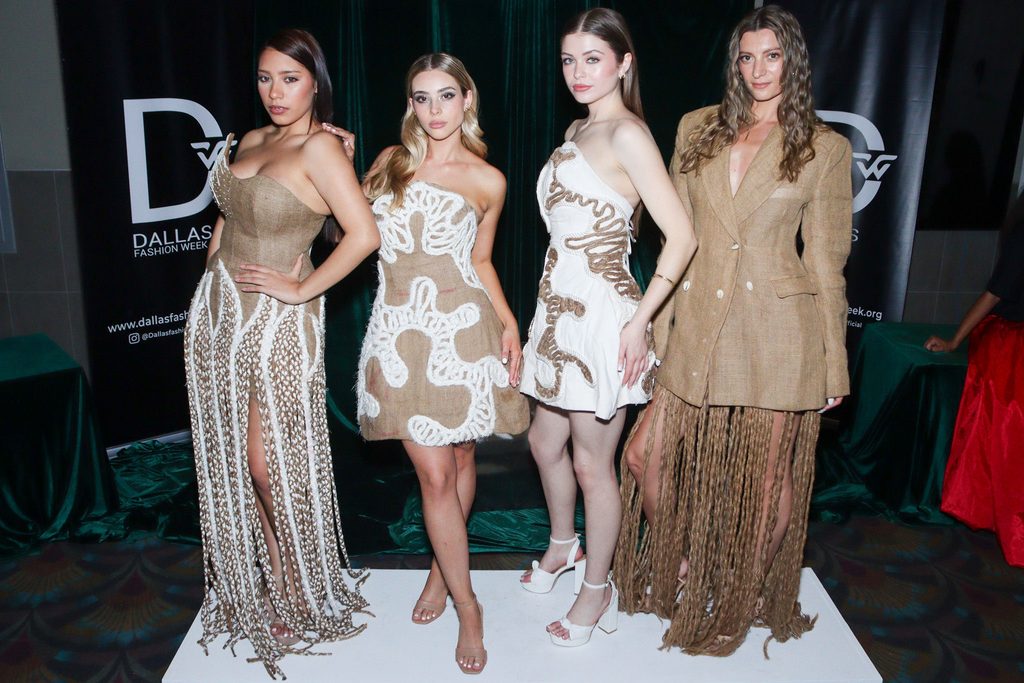
Dallas Fashion Week has once again demonstrated its commitment to innovation, presenting a bold new vision for how fashion can be experienced, communicated, and celebrated. On April 30, the organization challenged traditional expectations with a highly curated, multi-dimensional event that combined cinema, a fashion presentation, and industry networking into a single immersive platform—a significant shift in how regional fashion institutions position themselves within a global creative narrative.
Hosted in collaboration with B&B Theatres at B&B Theatres Red Oak 12, the evening unfolded as far more than a conventional screening. Anchored by an exclusive pre-release viewing of The Devil Wears Prada 2, the event transformed a cinematic venue into a dynamic stage for fashion innovation, brand storytelling, and meaningful creative exchange.
A New Blueprint for the Future of Fashion Events
The traditional architecture of fashion week—defined for decades by runway presentations, backstage preparation, and front-row spectatorship—has undergone a profound transformation. Today’s audiences no longer seek passive observation; they demand immersion, narrative, and immediate connection. Dallas Fashion Week’s latest initiative responded directly to this cultural shift.
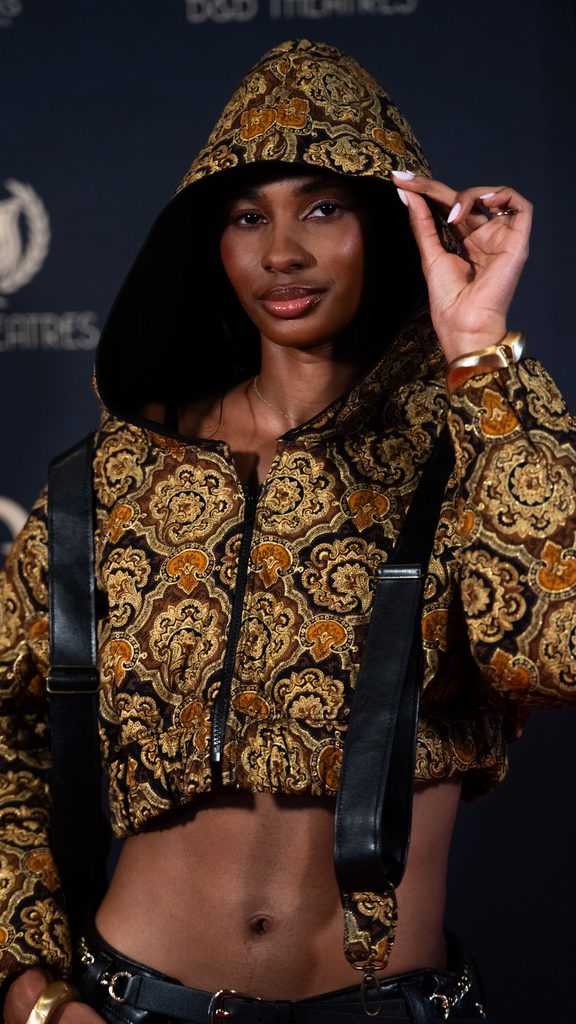
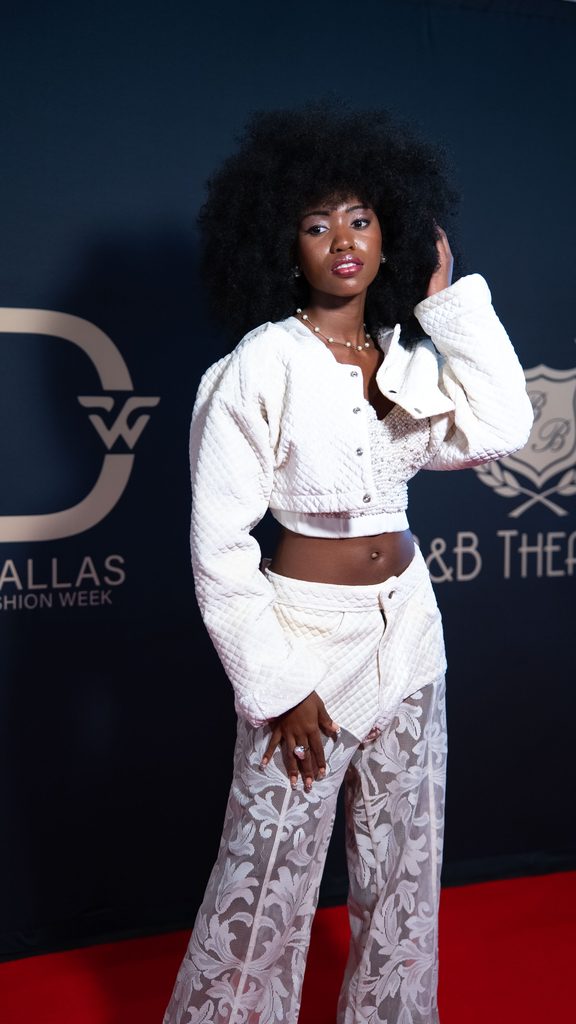
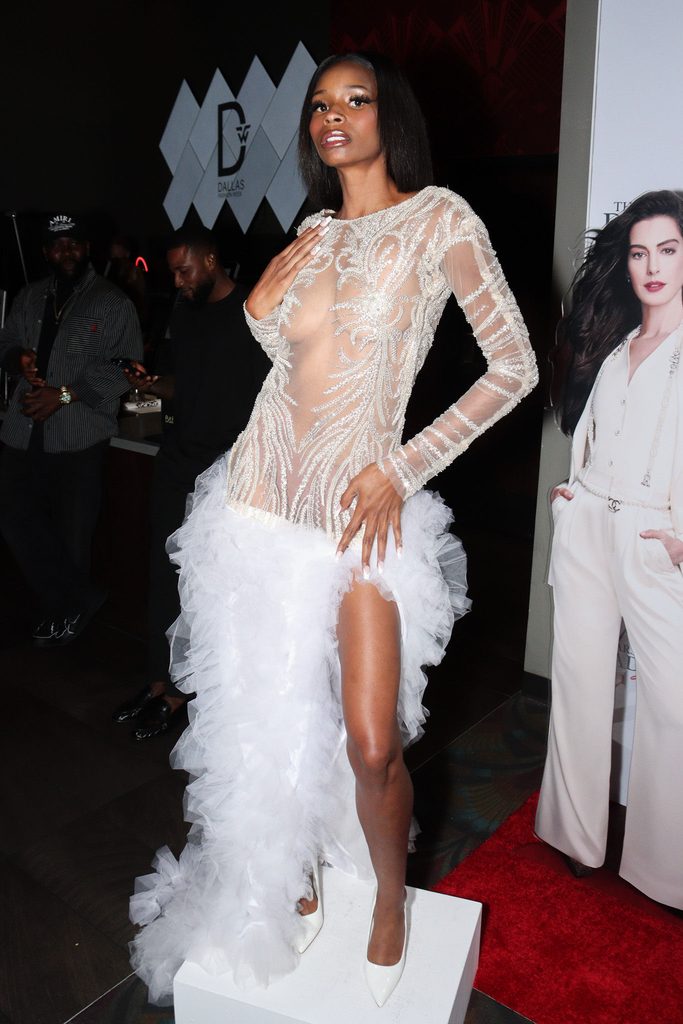
Participating designers were invited to present their collections through a layered and multidimensional format. Alongside curated runway moments, brands were featured through cinematic presentations displayed on the theater’s large screens, complemented by integrated promotional visibility throughout the event. The result was an expanded interpretation of the runway: a multi-sensory experience in which fashion was not simply shown, but contextualized within a broader visual and emotional narrative.
The decision to incorporate on-screen storytelling proved particularly significant. In an era increasingly defined by digital media and visual identity, the ability to position a fashion brand within a cinematic framework elevates both perception and prestige. It reflects an understanding that contemporary fashion exists as much in image, atmosphere, and storytelling as it does in the physical garment itself.
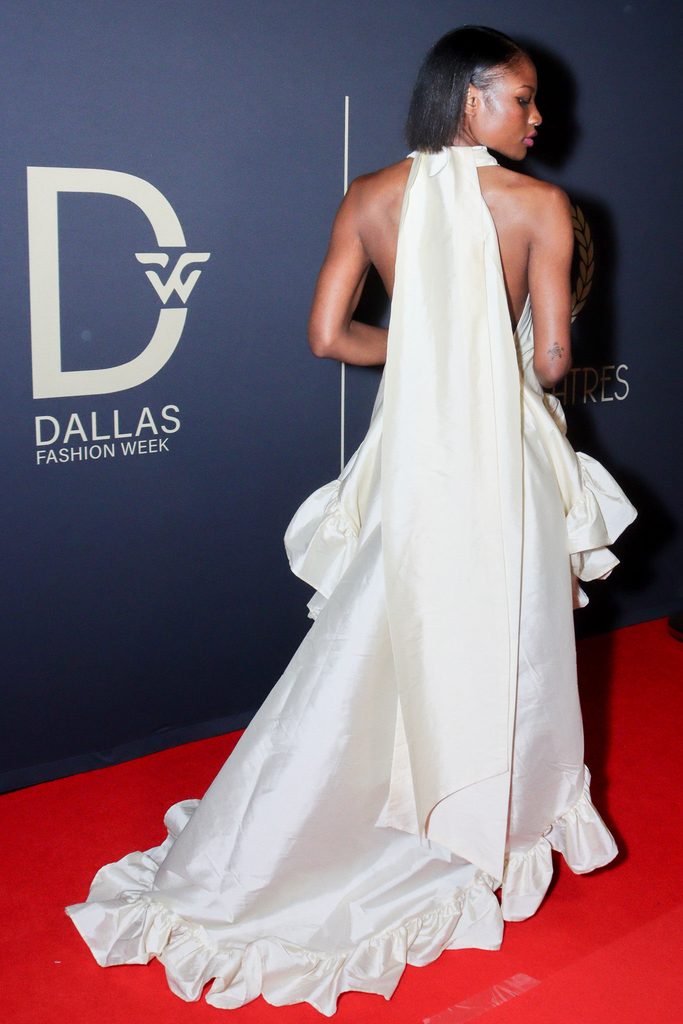
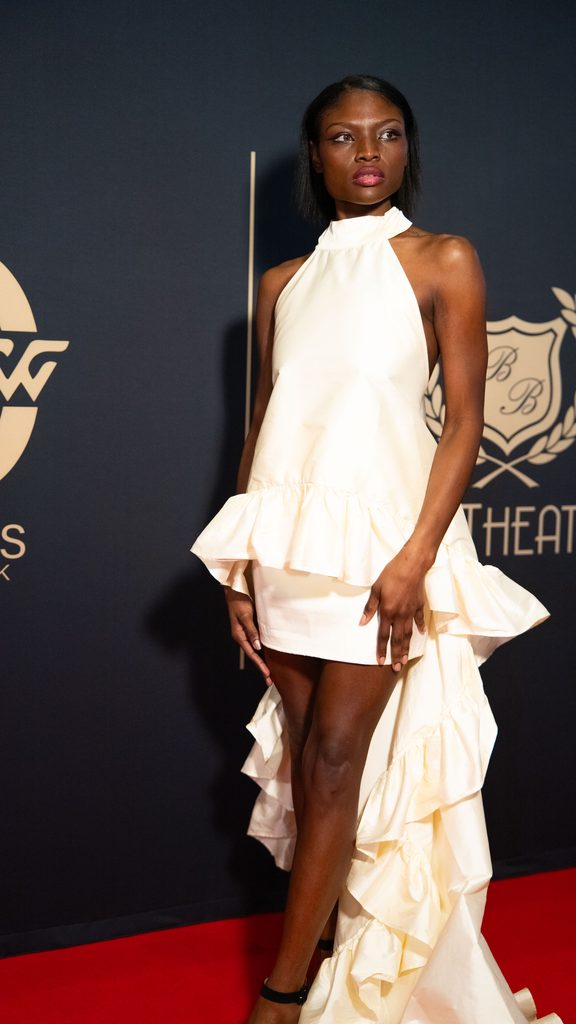
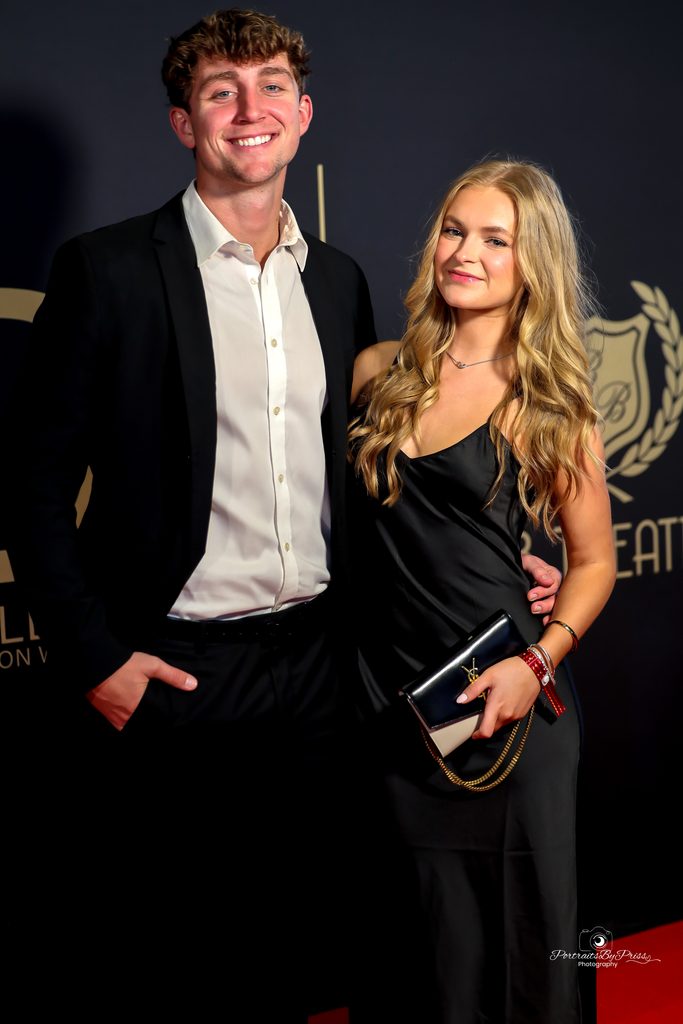
Fashion Through the Lens of Cultural Influence
Central to the evening’s appeal was its alignment with The Devil Wears Prada franchise—an enduring cultural touchstone that has shaped public imagination around the fashion industry for nearly two decades. By associating with The Devil Wears Prada 2, Dallas Fashion Week tapped into an instantly recognizable visual language of ambition, authority, and refined aesthetic discipline.
The original film’s legacy served as more than inspiration; it informed the tone and identity of the entire evening. Its iconic imagery—sharp tailoring, commanding silhouettes, and uncompromising style—resonated strongly with both industry professionals and a broader fashion-conscious audience. The screening became more than entertainment; it functioned as a thematic anchor that reinforced the event’s editorial positioning.
For VIP guests, designers, and brand partners, early access to the film ahead of its wider public release introduced a powerful sense of exclusivity. Within fashion culture, access remains a form of currency, and the opportunity to participate in such a privileged cultural moment carried both social and professional significance.
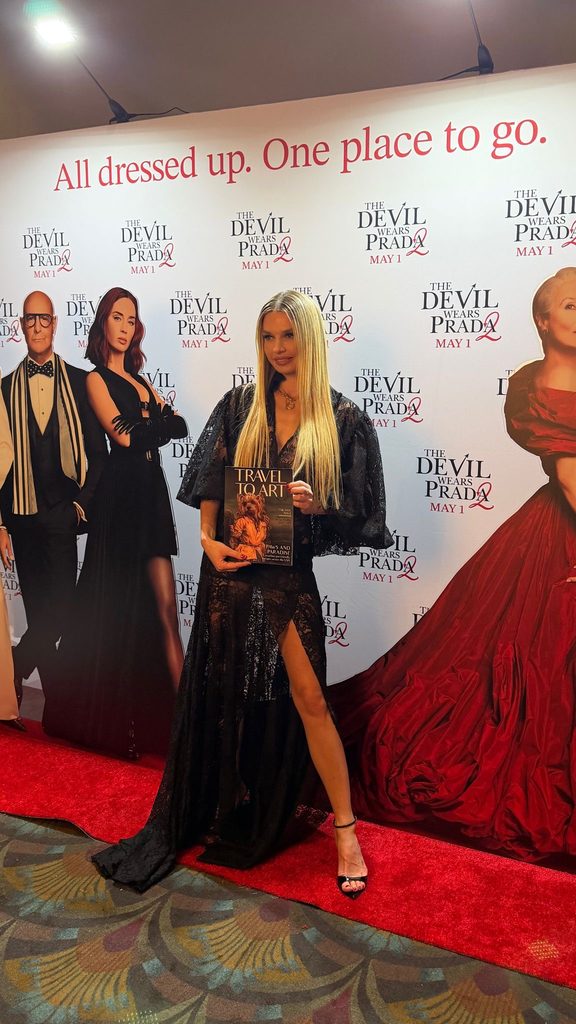
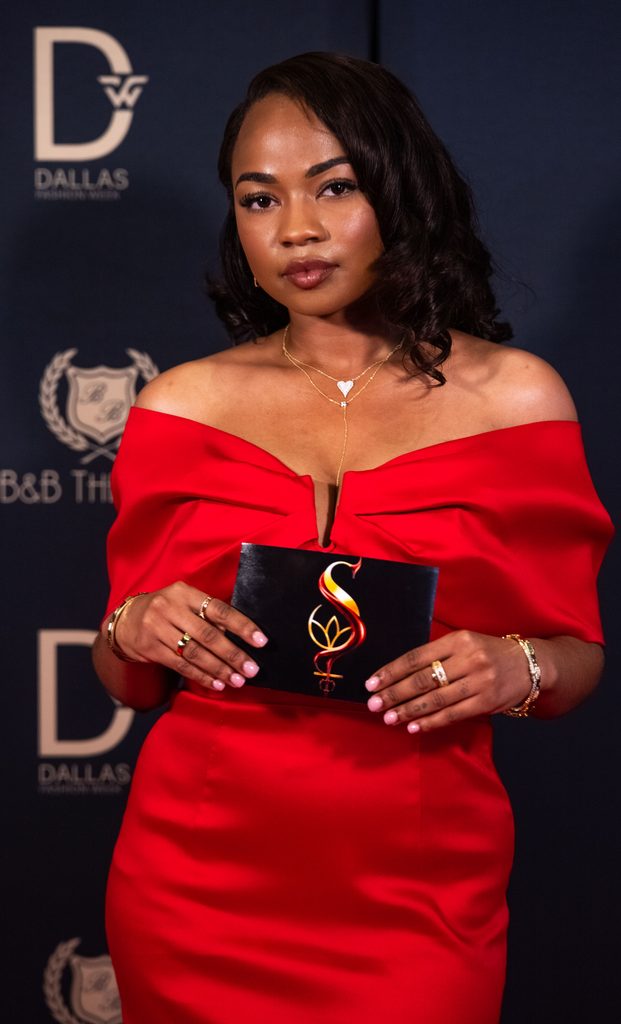
Elevating Emerging Talent Through Multi-Platform Visibility
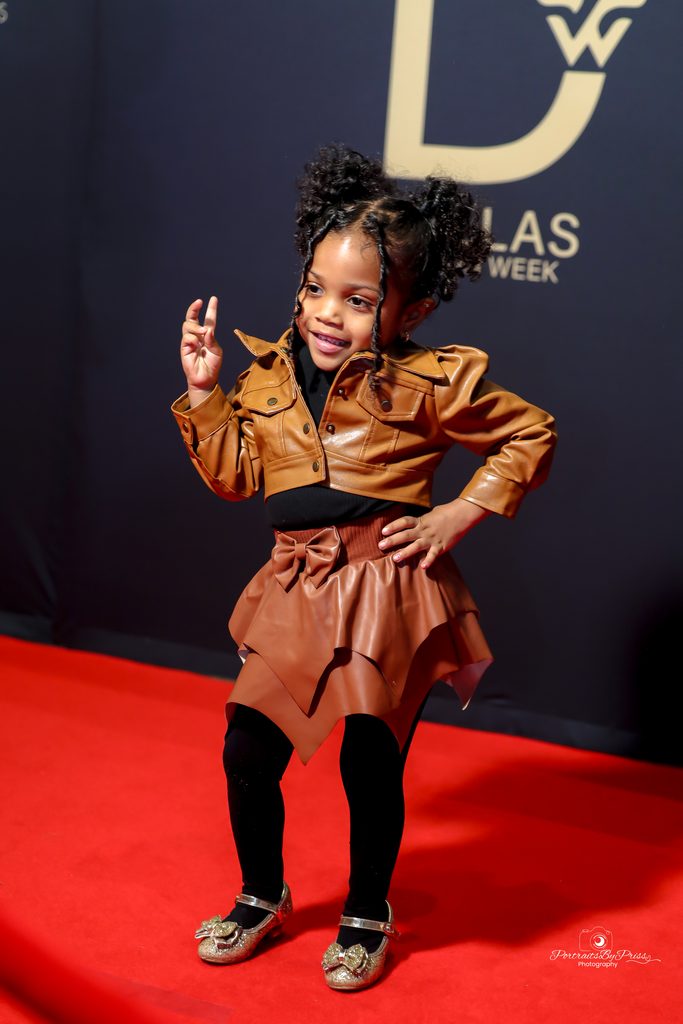
One of the defining strengths of the event was its inclusive approach to participation. Designers, models, makeup artists, and brand collaborators were all invited to contribute, signaling a strategic departure from the exclusivity that has historically characterized many fashion week environments.
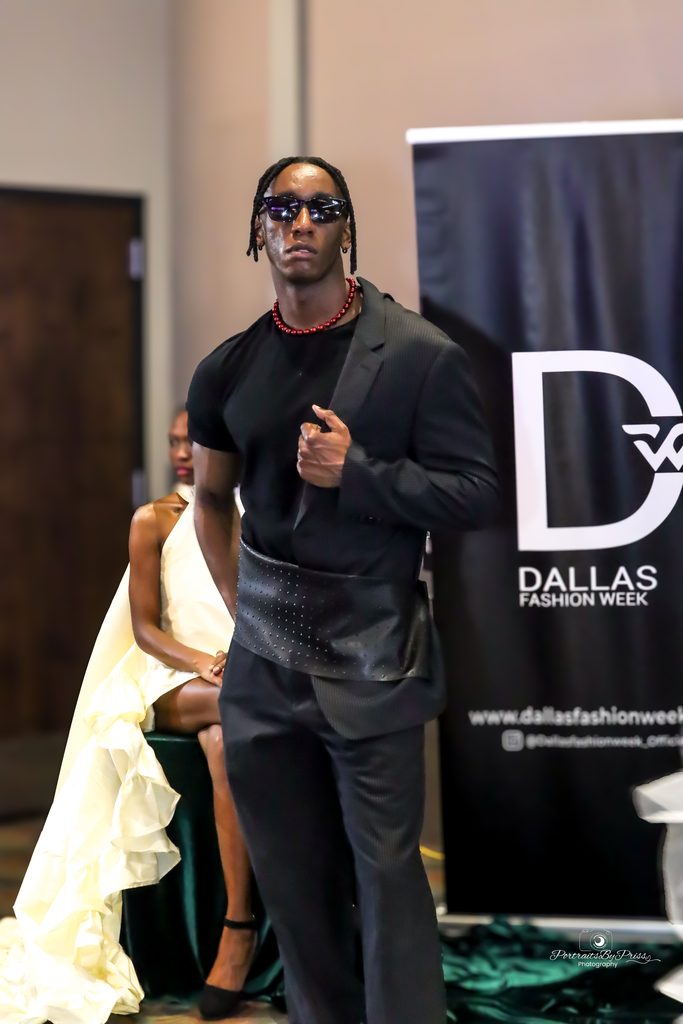
Emerging designers, in particular, benefited from meaningful multi-platform exposure. Rather than competing for fleeting attention within a crowded runway schedule, participants were given structured opportunities to present their work across multiple formats. Live runway appearances delivered immediate visual impact, while cinematic brand features offered space for deeper storytelling and stronger brand positioning.
In today’s saturated marketplace, visibility alone is no longer enough. It must be paired with narrative coherence and audience engagement. By offering both, Dallas Fashion Week positioned itself not simply as a showcase but as a catalyst for creative growth.

Strategic Collaboration and Market Positioning
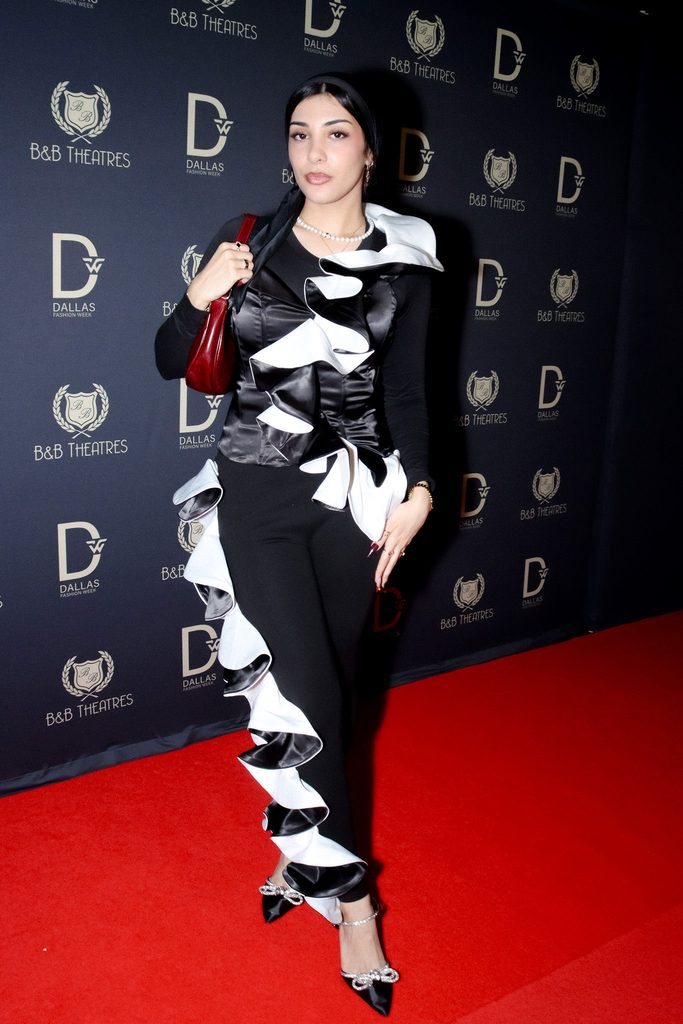
Dallas Fashion Week’s partnership with B&B Theatres was not merely logistical—it was strategic. Cinematic spaces are inherently immersive, equipped with sophisticated audiovisual capabilities that open new possibilities for storytelling and audience engagement.
The collaboration also highlighted the increasingly natural intersection between fashion and entertainment. Both industries rely on visual storytelling, anticipation, and cultural influence. By bringing them together, Dallas Fashion Week created a synergy that amplified the strengths of each.
From a market perspective, the event positioned Dallas as a city willing to innovate. While global fashion capitals continue to dominate headlines, regional hubs are increasingly defining their own identities through experimentation and creative agility. Through this initiative, Dallas demonstrated not only awareness of where the industry is heading—but the confidence to move there first.
A Curated Audience, A Lasting Impact
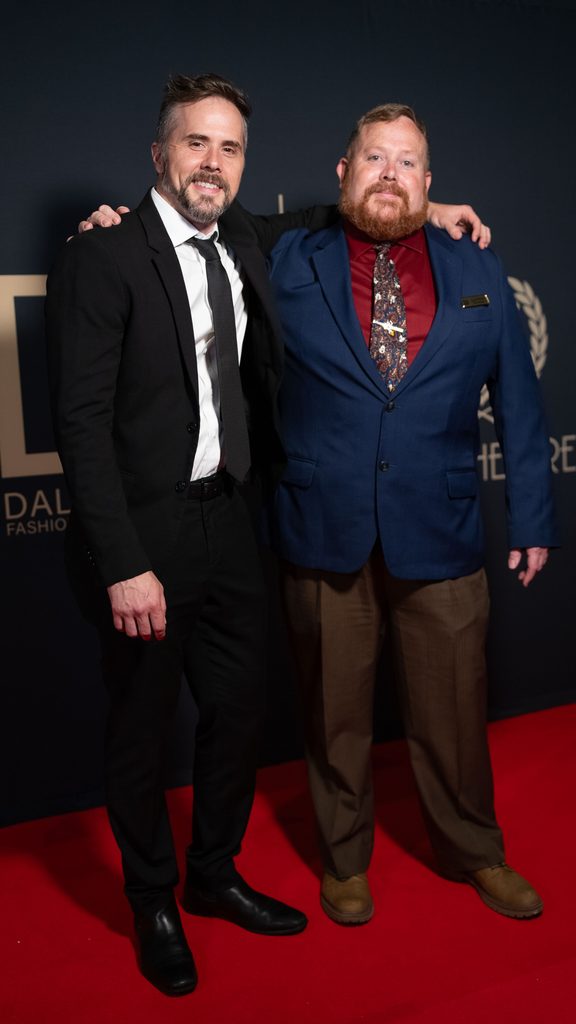
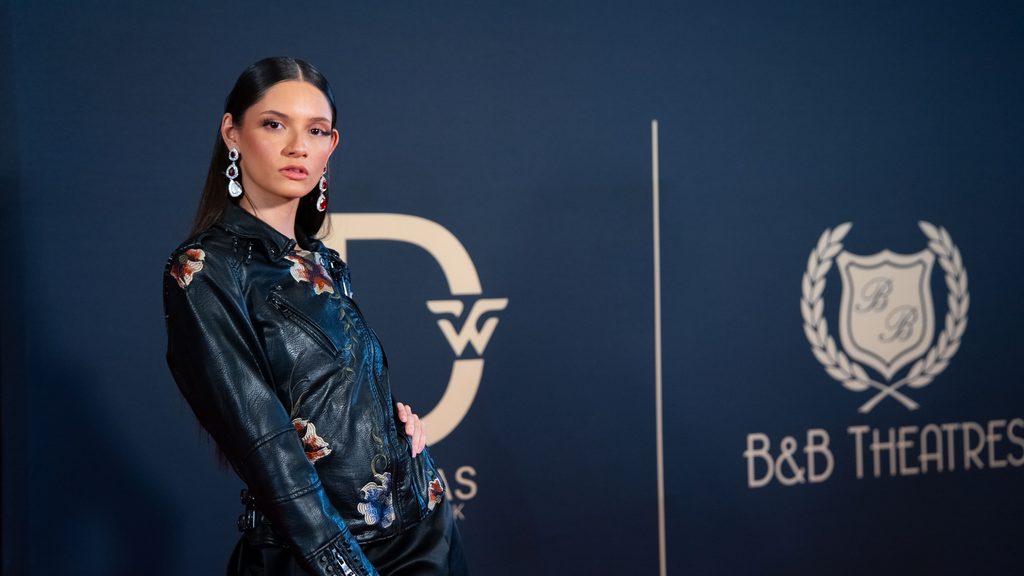
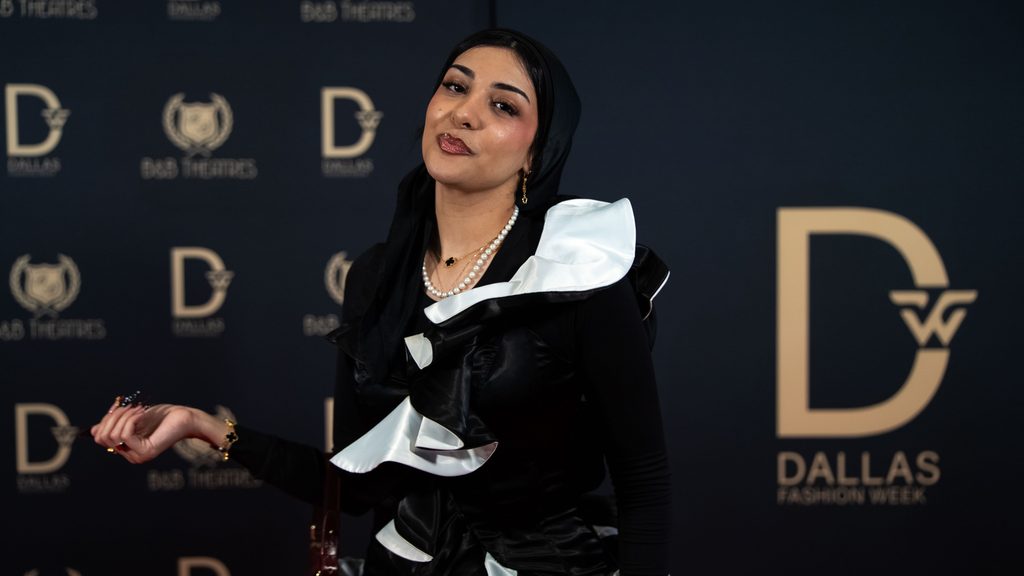
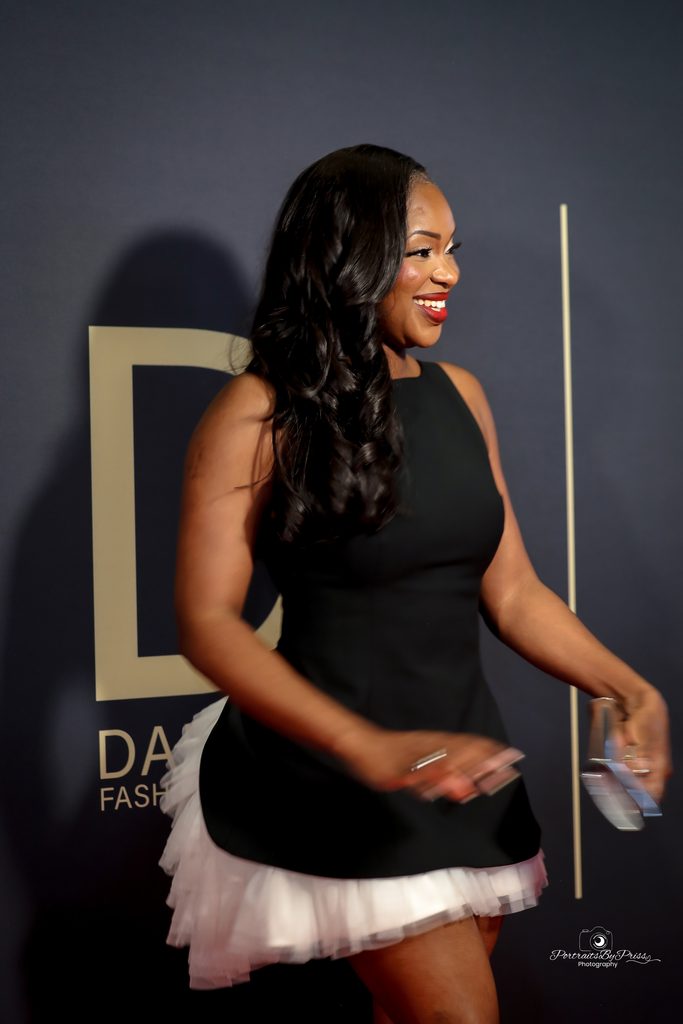
The event’s audience composition further reinforced its strategic intent. Designers, models, media professionals, brand representatives, and VIP guests came together in a carefully curated environment designed to maximize interaction, visibility, and meaningful connection.
For participants, this translated into more than exposure—it created opportunities for substantive engagement. Networking became an extension of the presentation itself, a space where creative ambition and commercial opportunity could naturally intersect.
The presence of media and tastemakers extended the life of the event beyond a single evening, translating physical attendance into digital visibility. In an industry where perception often shapes opportunity, that amplification remains invaluable.
Dallas as an Emerging Creative Nexus
For Dallas, the event represented more than a successful evening—it signaled the city’s continued evolution as a growing force within the creative industries. Long recognized for its economic vitality and entrepreneurial energy, Dallas is increasingly establishing itself as a destination for fashion, culture, and innovation.
Events like this contribute directly to that identity. They attract talent, foster collaboration, and generate cultural capital. They communicate to both local and international audiences that Dallas is not merely participating in the global fashion conversation—it is helping shape its future.
The Future of Fashion Events
What Dallas Fashion Week presented on April 30 was more than a singular event; it was a prototype for what fashion experiences can become.
By seamlessly blending fashion and film, physical presence and digital storytelling, presentation and participation, the organization offered a compelling model for the future—one that reflects contemporary audience expectations and industry realities.
The evening at B&B Theatres Red Oak 12 was not simply a runway showcase or a film screening. It was a case study in how fashion events can evolve beyond established formats to create experiences that are immersive, inclusive, intellectually engaging, and strategically aligned with modern culture.
With this ambitious initiative, Dallas Fashion Week has made one thing unmistakably clear: the future of fashion is no longer confined to the runway.
