
The pet industry is no longer defined solely by food, veterinary care, grooming, and functional products. As pets have become an increasingly important part of modern family life, an entirely new creative economy has emerged around them: one where design, art, fashion, media, technology, hospitality, and culture intersect with the emotional bond between people and their animals.
Today, the pet is not simply a consumer category. It is part of a lifestyle. This transformation is particularly visible in the way people choose to live with their pets and express their affection for them. A dog bed can become an element of interior design. A collar can be treated as a fashion accessory. Pet photography can become a form of visual storytelling. Museums, social clubs, events, creative studios, and digital communities are creating new ways for people to celebrate the human-animal relationship.
For brands, this shift represents more than an opportunity to create beautiful products. It reflects a fundamental change in the language of the industry. Consumers increasingly expect pet products and experiences to combine functionality with aesthetics, personality, emotional value, and a sense of identity.
The result is an industry in which creativity is becoming a genuine economic force. Design plays a particularly important role in this evolution. Contemporary pet brands are investing in sophisticated visual identities, considered packaging, distinctive product design, and collaborations with artists and designers. The traditional idea of a pet product as something purely practical is giving way to objects that are designed to exist seamlessly within a person’s home, wardrobe, and lifestyle.
At the same time, the creative economy surrounding pets extends far beyond physical products. Social media has created a vast space for storytelling, where individual pets can become personalities, creators, and cultural icons in their own right. Photographers, filmmakers, illustrators, content creators, event producers, and community builders are finding new professional opportunities by focusing on the emotional and cultural dimensions of pet ownership.
Perhaps the most interesting development, however, is the emergence of experiences: pet-focused exhibitions, social gatherings, creative workshops, dog-friendly hospitality, community events, and other lifestyle concepts demonstrate that people are increasingly willing to invest not only in what they buy for their animals, but also in what they experience with them. The pet industry is gradually moving from a product-driven model toward an ecosystem of experiences, communities, and cultural moments.
This evolution also reveals something deeper about contemporary society. The growing willingness to spend on design, art, experiences, and personalization for pets reflects the increasingly intimate role animals play in human lives. For many people, pets are companions, family members, and sources of identity and emotional connection. The market is responding accordingly and creativity is helping translate that emotional relationship into products, images, spaces, and experiences.
The question is no longer whether creativity has a place in the Pet Industry. It clearly does. The more interesting question is how far this creative economy can go and what happens when an industry built around caring for animals begins to operate with the same attention to design, culture, storytelling, and experience as the worlds of fashion, hospitality, and contemporary lifestyle.
To explore this transformation, we spoke with people working at different intersections of the pet and creative worlds — from community builders and artists to cultural institutions and pet-focused entrepreneurs. Their perspectives reveal an industry that is becoming not only larger, but also more sophisticated, imaginative, and culturally relevant.
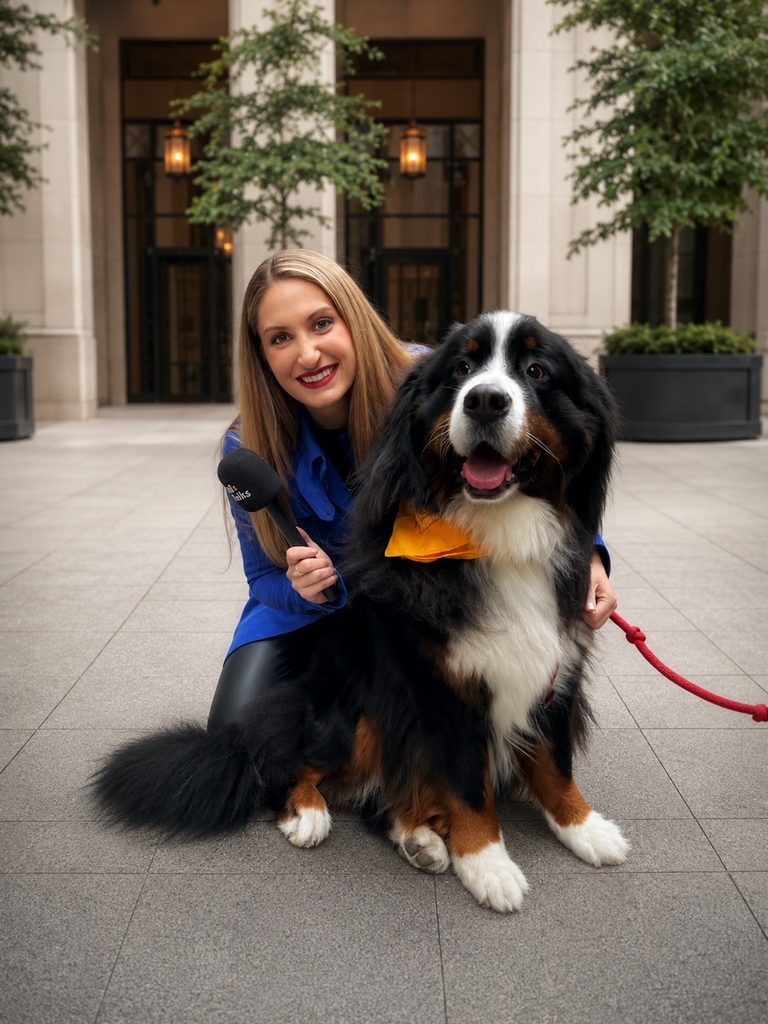
Tail Talks Interviews is a social media channel all about dogs and the humans lucky enough to have them. Host Rachel Green hits the streets to interview dogs and their people about their favorite things, funniest habits, and the quirks that make them unique. Follow @tailtalksinterviews on TikTok, Instagram, YouTube, and Facebook.
Through your conversations with dog owners in New York, what have you noticed about the way people’s relationships with their dogs are changing? What role do pets play in their everyday lives today?
Dogs and cats aren’t just pets anymore, they’re family! In a city where everyone’s rushing around, dogs have become the reason to slow down. New Yorkers aren’t just feeding and walking their dogs anymore, they’re building entire social lives, routines, and identities around them. Dogs are roommates, co-workers, third wheels on dates, and always the center of attention. In most cases, your neighbor learns your dog’s name before they learn your name!
What stories, personalities, or trends among New York dog owners have surprised or inspired you the most, and how do you think they reflect the growing pet culture?
Some of my favorite stories are the quiet healing ones. Like the woman coming out of a rough relationship who adopted a rescue dog, the two of them healing each other in real time. Or the person who had always dreamed of having a dog when they were younger and did so much research on how to take care of a dog. You can see the dream that became a reality, and how it’s even better than they ever imagined.
Dogs have this way of healing us, of making us whole. They hand us this love we can’t fully put into words. The kind we didn’t even know we were missing until it arrived. People will rearrange their whole lives to make sure their dog is fulfilled because that dog is fulfilling them too.
Do you think there is a growing space for creative projects, media, and storytelling around pets? What kinds of ideas or formats do you think could become especially popular in the future?
Absolutely, and I think we’re still early. I think social media deserves real credit here. There’s so much more education about breeds, about rescues, about how to actually care for an animal instead of just guessing your way through it. People are sharing the hard parts too, not just the cute stuff: the 3:00 am zoomies, the vet bills, the separation anxiety nobody warned them about. They’re sharing the funny quirks and hilarious habits their dogs have too. That openness means pet parents don’t feel like they’re figuring it out alone anymore. There’s a whole community cheering you on, one post at a time, and I think we will continue to see more companies and media as a whole tap into this community of pet lovers.
I think the possibilities are endless when it comes to the world of animals and pets. Recently, we started a second channel called Tail Talks Extended, where we post longer versions of our videos because we wanted to share even more of the dogs we meet with our audience. We have a few more ideas coming soon, so make sure you stay tuned!
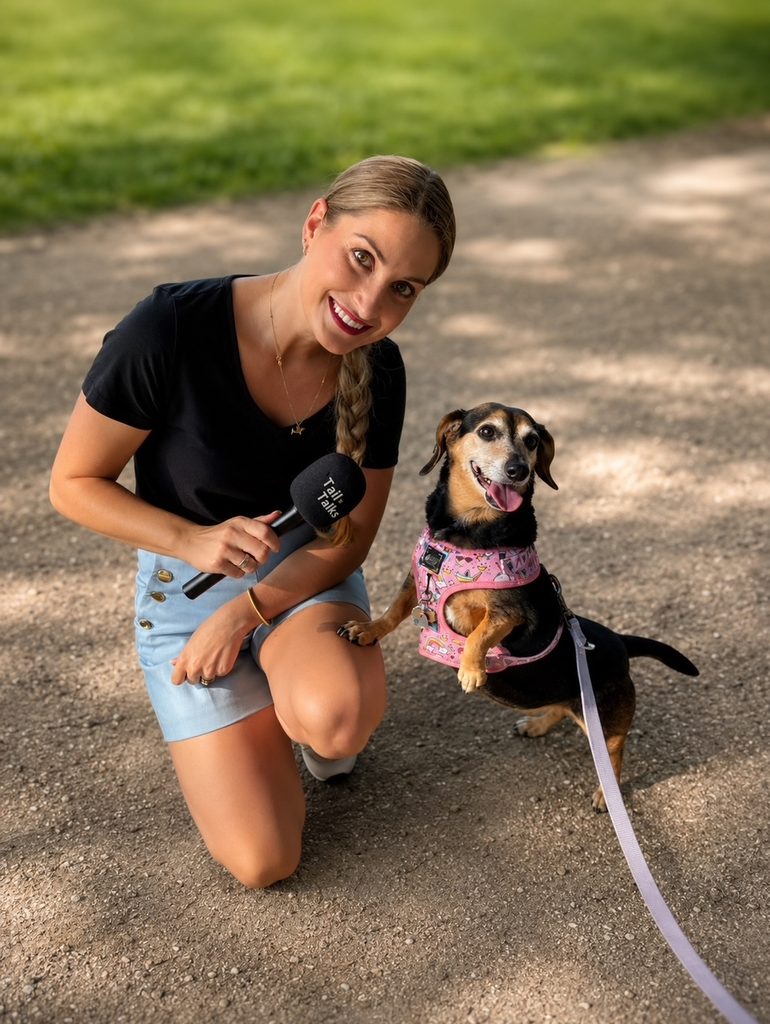
Diego Bonilla is the founder of Barks and Boys, a social community bringing together dog owners and pet lovers in London. Through dog-friendly daytime socials, events, and creative brand collaborations, Barks and Boys creates a welcoming space where people can connect, meet fellow dog lovers, and enjoy shared experiences with their pets.
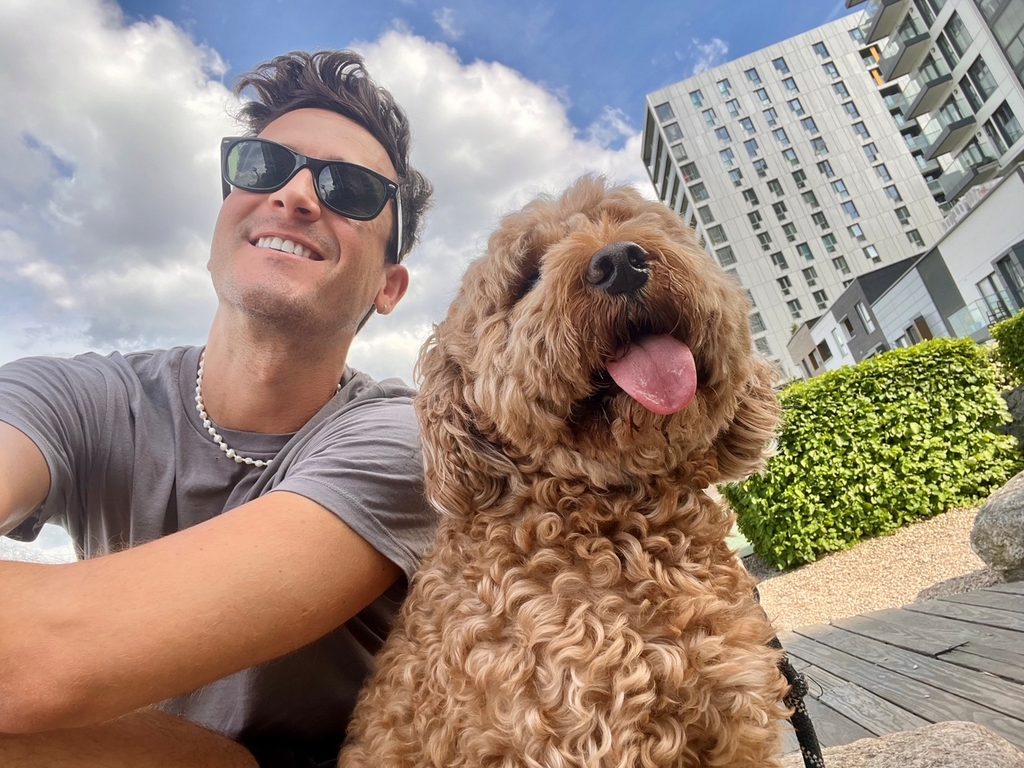
What inspired you to create Barks and Boys, and how did the idea of bringing people and dogs together through social events develop?
The inspiration came from a place of personal need. As a single gay man in London with a dog, my social life used to require a lot of military-level planning. Everything revolved around my dog’s schedule, which often meant turning down late-night events or traditional nightlife mixers—not just because of my energy levels, but because I wanted my dog to be part of my daily life, not an afterthought.
I was craving daytime social spaces that didn’t revolve around heavy drinking and where I could bring my dog along, but I couldn’t find anything that fit the bill. So, I decided to host the first Barks and Boys meetup as a test to bring LGBT+ dog owners and pet lovers together in a relaxed pub or park setting. Making meaningful connections in a big city can be tough, but dogs are the ultimate natural icebreakers—they instantly strip away awkwardness. That first event took off way beyond what I expected, and the immediate cry for ‘When’s the next one?’ made it clear we’d tapped into something London was truly missing. My heart was full!
Your events combine dogs, social life, community, and a strong visual identity. How important is creativity and branding when building a modern pet-focused community?
Branding is what turns a basic ‘dog walk’ into an aspirational lifestyle community. Having a distinct visual identity, curated photography, and a clear aesthetic gives Barks and Boys a recognizable presence that people love being part of. It also signals quality to potential brand partners—from pet wellness companies to local venues, brands and charities—showing them we have a dedicated, cohesive audience.
Navigating this has been my steepest learning curve. I didn’t start with a master plan or a fully formed brand; it was just a test event. Over time, as the community grew, I gradually shaped the visual identity to match its unique personality. We’re still very much in a stage of continuous growth and learning, constantly refining how we present ourselves as the community develops.
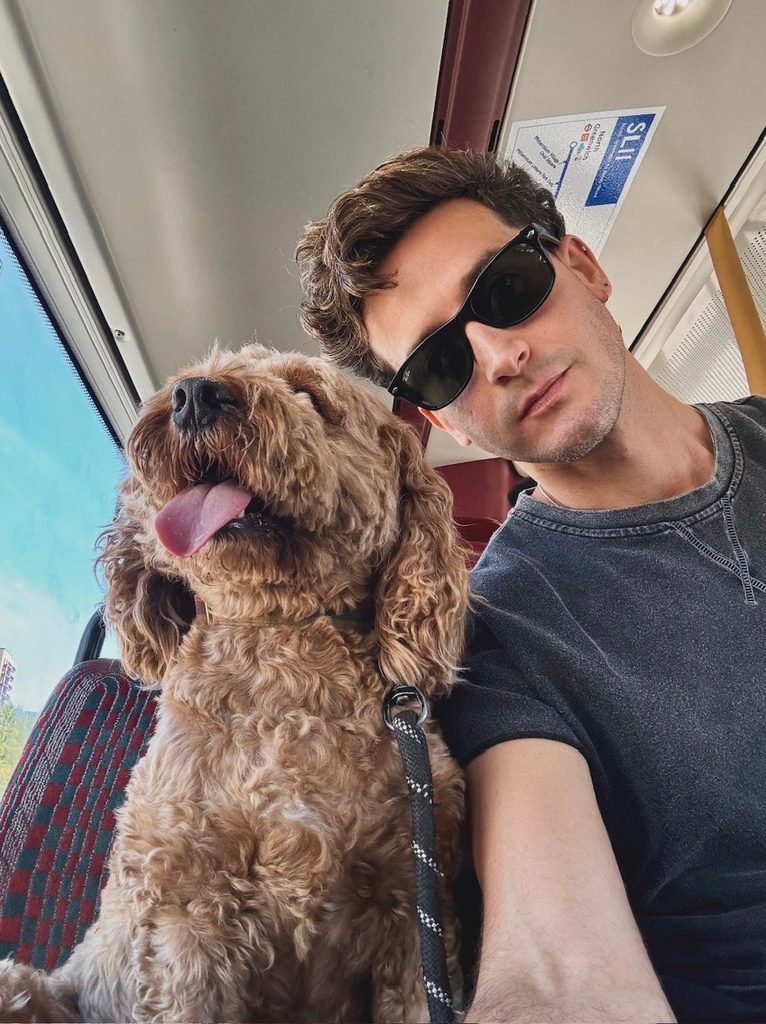
Do you think the Pet Industry is moving beyond traditional products and services toward experiences, events, and communities? What new creative opportunities do you see in this space?
Absolutely. We’re seeing a huge shift in how we treat our dogs—they’re not just pets anymore, they’re family. I mean, I celebrate my dog Milo’s birthday like it’s a major life milestone, and I’m definitely not the only one! People want their dogs right there with them for all of life’s moments. Across the UK, there’s been a massive boom in dog-friendly experiences, from pub socials to dog-friendly cinema screenings.
The industry is moving away from purely transactional stuff—like just buying food or going to the vet—and moving toward actual lifestyle experiences. That said, a lot of public spaces, retail stores, and transit options are still way behind when it comes to being genuinely dog-friendly, so there’s a real gap to bridge.
That’s where the exciting creative opportunities are: building curated social spaces, fun brand activations, pet-friendly hospitality, and lifestyle partnerships like photography or wellness. At the end of the day, people don’t just want to buy products for their dogs; they want to make memories with them alongside people who get it.
Autor Myroslava FaLLBeck
