
In Dallas, luxury is not a vertical reserved for penthouses, private clubs, or fine dining rooms. It is a horizontal philosophy, one that extends seamlessly to every member of the household, including those on four legs. Nowhere is this more evident than in Highland Park, where manicured boulevards, discreet wealth, and architectural refinement create an environment in which dogs are not accommodated, they are curated into the lifestyle itself.
Here, canine living is elevated into a fully realized ecosystem of hospitality, wellness, gastronomy, and design. The result is a city that does not merely welcome dogs but anticipates their presence with the same precision and sophistication afforded to elite human travelers.
The Hotel Suite, Reimagined for Dogs
Dallas’s luxury hospitality sector has quietly redefined what it means to travel with a dog. At Hotel ZaZa Dallas Uptown, the experience begins not with policy but with intention. Interiors are layered, theatrical, and deeply tactile – an environment where dogs are as visually at home as their owners. Staff move with a kind of practiced discretion, offering plush bedding, curated treats, and guidance on nearby walking routes that feel less like amenities and more like concierge-level planning.
At Virgin Hotels Dallas and Thompson Dallas, the approach becomes even more codified. Dogs receive tailored welcome kits: bowls, toys, and often a sense of ceremony upon arrival. There is an understanding here that modern luxury travelers do not separate their lifestyle from their pets; instead, they expect continuity. These properties deliver precisely that: environments where dogs are integrated into the rhythm of the stay, from elevator etiquette to rooftop terrace access.
Perhaps the most conceptually complete offering is found at Drey Hotel. Situated within The Village, it functions almost as a self-contained canine microcosm. Grooming, daycare, open green spaces, and social zones exist within immediate reach, eliminating friction from the daily routine. It is less a hotel and more an operational model for what dog-inclusive hospitality can become.
Legacy properties including The Joule, Hotel Crescent Court, and The Fairmont Dallas, approach the concept with quiet confidence. Their strength lies in seamlessness: discreet housekeeping adjustments, concierge-arranged dog walking, and proximity to walkable urban landscapes that feel composed rather than incidental.
Grooming as Ritual, Not Routine
In Dallas, grooming is not maintenance – it is ritualized care. At The Paw Spa, the process is executed with clinical precision and aesthetic awareness. Breed-specific cuts are treated as design decisions, while treatments such as coat conditioning and skin therapy are approached through a wellness lens. The atmosphere is calm, controlled, and intentionally sensory.
Mobile services such as Dallas Mobile Pet Spaw and Mobile Dallas Pet Grooming extend this philosophy into private residences. These are not convenience services; they are extensions of luxury living. Grooming becomes a private appointment, conducted in familiar surroundings, eliminating stress for the animal while preserving time for the owner.
For those who prefer a salon environment with stylistic identity, The Pet Stylist on Lovers Lane offers a more editorial approach, where grooming intersects with presentation. Meanwhile, Woofie’s integrates grooming with broader lifestyle services, including walking and in-home care, reinforcing the idea that canine well-being is part of a larger, managed routine.
Dining, Social Life, and the Canine Presence
The evolution of Dallas’s dining scene has been particularly significant. Outdoor seating is no longer a concession – it is a designed interface between human and canine experience.
At MUTTS Canine Cantina Dallas, the concept is explicit: a social venue where dogs are central participants. Expansive outdoor areas, structured play zones, and a steady calendar of events create a hybrid space – part restaurant, part private club, part social experiment in canine integration.
More traditional venues adopt a subtler approach – il Bracco offers refined Italian dining with patio seating that accommodates dogs without disrupting the atmosphere. Katy Trail Ice House leans into a more relaxed, social energy, where dogs are part of the visual fabric of the space.
At Lazy Dog Restaurant & Bar, the model becomes deliberately inclusive. The environment is calibrated for comfort: ample spacing, attentive staff, and a predictable experience that appeals to both dog and owner.
Complementing these are lifestyle-driven venues like The Rustic and HG Sply Co., where wellness, food, and outdoor culture converge. Here, dogs are not an afterthought; they are part of the intended demographic.
Movement, Space, and the Urban Landscape
Luxury, in a canine context, is inseparable from movement. Dallas offers a network of spaces where dogs can engage physically without compromising the aesthetic expectations of their owners.
Trails, shaded boulevards, and curated park environments allow for daily routines that feel deliberate. Structured environments such as Woof Gang Bakery & Grooming Dallas and Woof Tone Inn & Spa extend beyond retail into social and recreational territory, offering daycare, interaction, and controlled play.
The effect is cumulative: a city where dogs are not restricted to designated zones but are woven into the broader spatial experience.
Three Dogs, Three Lifestyles
The abstract becomes tangible through real canine personalities shaping Dallas’s digital and social narrative.
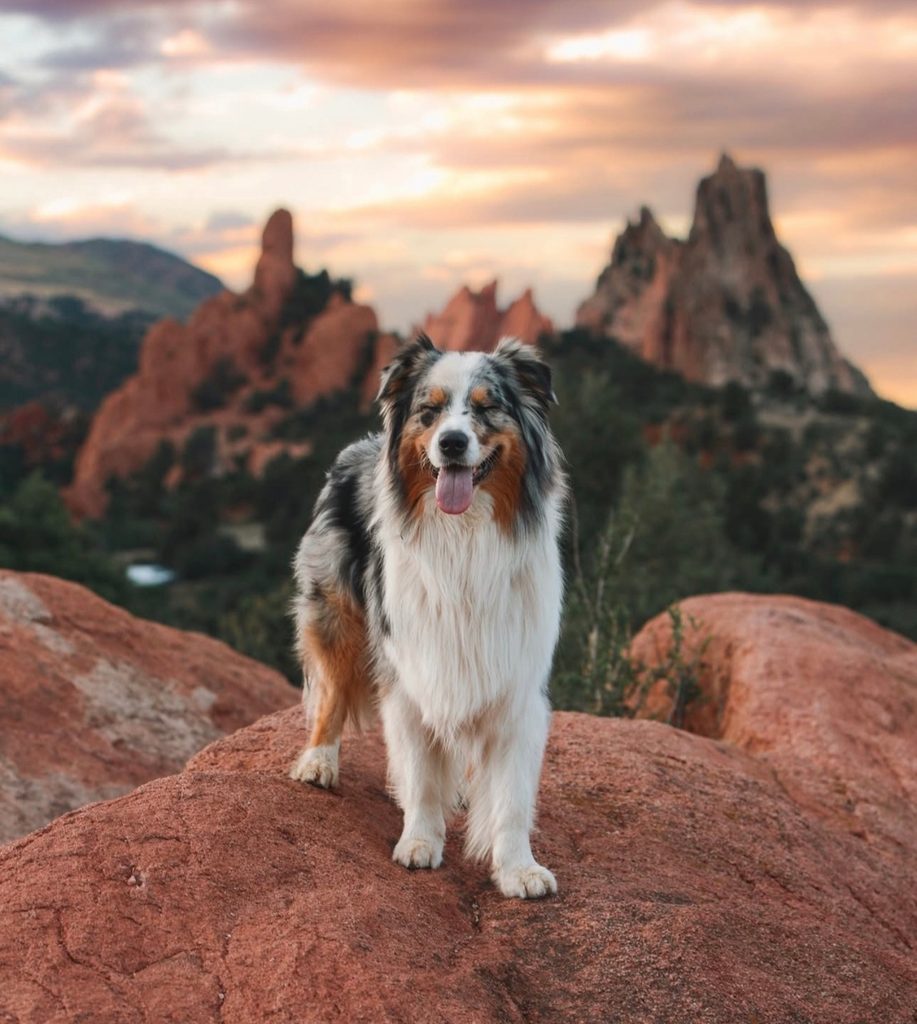
Stilton the Aussie (@stiltontheaussie) represents movement and exploration. His presence is defined by motion—road trips, open landscapes, and curated outdoor experiences. Through him, Dallas extends outward, connecting urban sophistication with regional adventure.
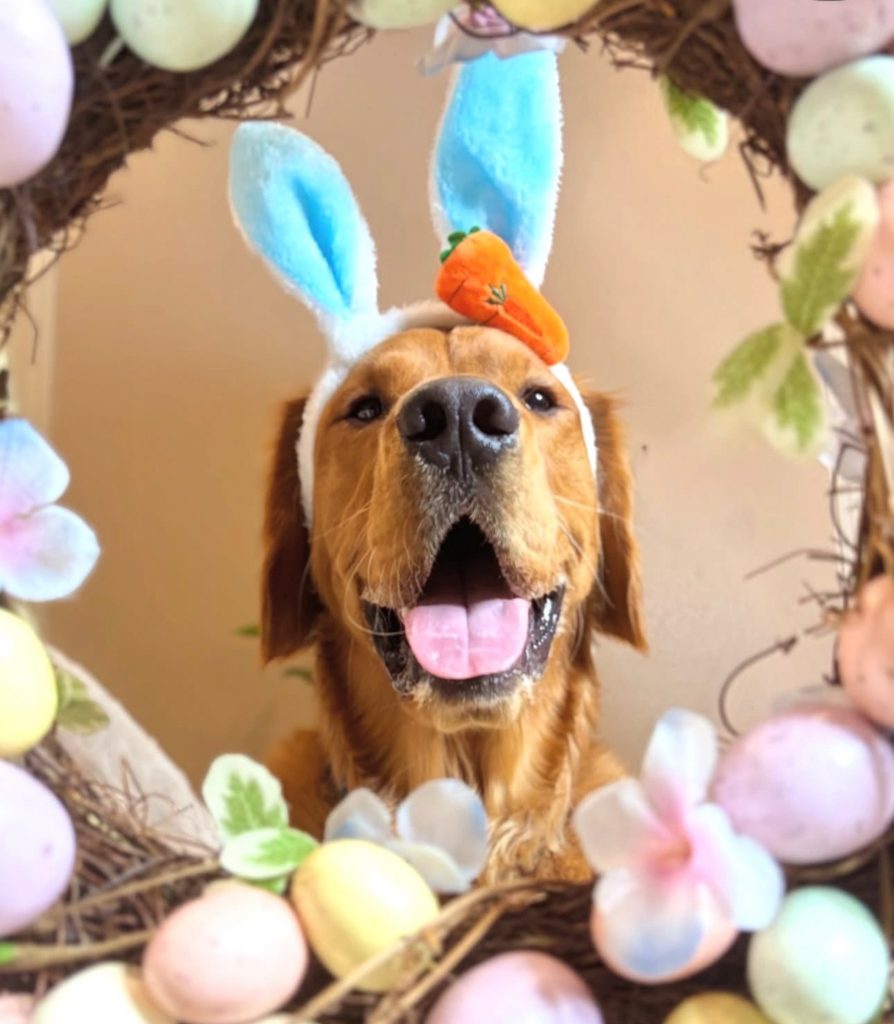
Ralphie (@ralphiesgoldenlife) embodies domestic refinement. His content focuses on daily rituals—morning walks, relaxed afternoons, and carefully framed lifestyle moments. Ralphie reflects the quieter side of luxury: consistency, comfort, and emotional resonance.

Oscar (@worldofoscar7) occupies the intersection of the two. His life oscillates between play and polish, capturing both the spontaneity of canine joy and the structure of an urban routine. He is, in many ways, the most representative of Dallas itself.
Retail, Wellness, and the Final Layer
No luxury ecosystem is complete without retail. In Dallas, canine boutiques operate with the same logic as fashion houses. Haute Dog Dallas offers accessories that move beyond utility into statement: leatherwork, embellishment, and seasonal design.
Wellness, meanwhile, has expanded into therapies once reserved for humans: massage, guided exercise, and behavioral training rooted in psychology rather than obedience. These services are not fringe, they are increasingly expected within Highland Park’s social framework.
A Fully Realized Lifestyle
What distinguishes Dallas is not any single offering but the coherence of the system. Hotels, salons, restaurants, parks, and boutiques operate in alignment, creating a continuous experience rather than isolated moments of luxury.
In Highland Park, this coherence reaches its most refined expression. Dogs move through the same spaces as their owners, participate in the same routines, and receive the same level of intentional care.
The conclusion is difficult to contest: Dallas has not simply adapted to dog ownership at a high level—it has redefined it. Here, canine life is not an accessory to luxury living. It is an integral component of it.
Author Myroslava Fallbeck
