
Bali: Where Ritual Meets Radical Contemporary Art
There are places where art is exhibited, and there are places where art is lived. Bali belongs unapologetically to the second category. Here, artistic expression spills from temple courtyards into contemporary white cubes, merging ritual, mythology, and social commentary into a visual language that feels both ancient and remarkably current.
While many travelers still associate Bali with carved masks and batik souvenirs, the island has quietly evolved into one of Southeast Asia’s most compelling contemporary art ecosystems. Its artists, deeply rooted in spiritual and communal traditions, are now stepping confidently onto international stages, including the United States, drawing growing attention from collectors, curators, and institutions fascinated by Bali’s layered visual storytelling.
Contemporary Artists Redefining Bali
Citra Sasmita — Rewriting Mythology Through Feminine Power
Among Bali’s most internationally visible contemporary voices is Citra Sasmita, an artist who reconstructs traditional Balinese narrative painting through a modern feminist lens. Her work is inspired by Kamasan painting, a classical Balinese storytelling technique historically used to depict Hindu epics.
Rather than repeating canonical male-centered myths, Sasmita creates monumental installations and paintings where female figures become divine, transformative protagonists. Her hybrid visual language combines traditional iconography with bold acrylic surfaces and immersive installations
Her practice gained global recognition through exhibitions in Europe and North America, demonstrating how contemporary Balinese art can bridge heritage with urgent cultural discourse.
Critics often emphasize how her work challenges the commercialization of Balinese aesthetics shaped during colonial tourism, restoring narrative agency to local cultural traditions while expanding them into global contemporary art conversations.
IGAK Murniasih — Raw Intimacy and Psychological Narrative
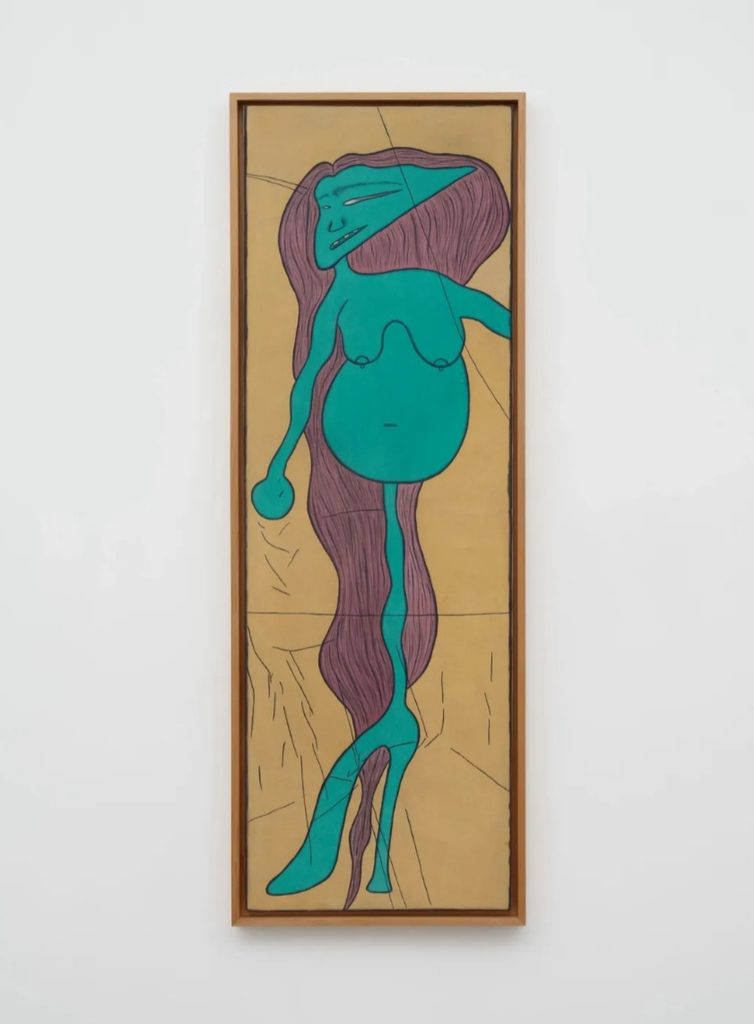
Although she passed away in 2006, IGAK Murniasih, often known simply as Murni, remains one of Bali’s most influential contemporary voices. Her paintings explore themes of trauma, sexuality, and vulnerability through intensely personal visual metaphors.
Murni’s international relevance continues to grow. Her works have appeared in major global exhibitions, including the prestigious Carnegie International in Pittsburgh – one of the United States’ most respected contemporary art platforms.
Her posthumous international recognition illustrates how Balinese contemporary art increasingly resonates with Western audiences seeking authenticity and psychological depth beyond decorative exoticism.
The Legacy That Shaped the Contemporary Wave
Modern Balinese contemporary artists do not emerge in isolation. Their practices are built on a lineage that began in the early twentieth century when Balinese painters, working alongside Western artists, started transforming ritual-based artistic production into individual artistic expression.
Artists such as Ida Bagus Made, though primarily associated with earlier modern Balinese painting, played a crucial role in shaping Bali’s transition into global art consciousness. His work was later exhibited in American institutions such as Cornell University, signaling early international interest in Balinese visual culture.
Today’s contemporary artists continue that cross-cultural dialogue, but now with far greater autonomy and conceptual boldness.
Contemporary Galleries and Art Spaces Shaping Bali
Puri Lukisan Museum — A Bridge Between Past and Present
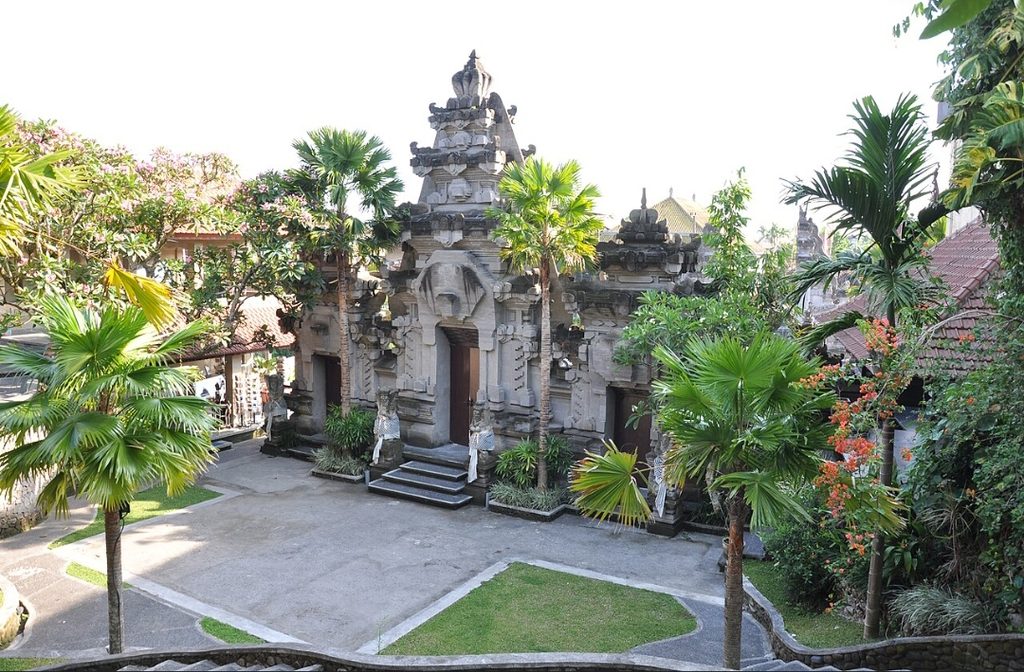
Located in Ubud, the Puri Lukisan Museum serves as one of Bali’s foundational art institutions. The museum preserves and exhibits modern Balinese art movements that evolved throughout the twentieth century while providing context for contemporary artistic experimentation.
Its collection spans major Balinese stylistic schools, including Ubud and Batuan painting traditions, demonstrating how contemporary artists reinterpret historical visual languages.
Although primarily a museum rather than a commercial gallery, Puri Lukisan plays an essential curatorial role in shaping how international audiences, including American visitors and researchers, understand the evolution of Balinese art.
Ubud’s Private Contemporary Gallery Scene
Beyond institutional museums, Bali’s contemporary art identity thrives through private galleries and independent art spaces concentrated around Ubud, Canggu, and Denpasar. These galleries operate as incubators for experimental practices, often presenting multimedia installations, performance art, and conceptual painting.
Many of these spaces collaborate with international curators and collectors, facilitating exhibitions that travel to Europe and North America. This gallery network functions as Bali’s artistic export engine, introducing emerging Balinese voices to Western markets.
New Cross-Cultural Initiatives and Museum Projects
One of the most striking examples of Bali’s expanding global art influence is the development of a permanent museum dedicated to internationally recognized artist Eugene Kangawa. The project, supported by Asian collectors and designed by Indonesian architects, reflects Bali’s growing status as a global art destination and cultural production hub.
Although Kangawa is not Balinese, the decision to situate the museum on the island underscores Bali’s role as a creative magnet attracting international contemporary art projects.
Bali on the American Art Radar
American interest in Balinese visual culture is not entirely new. Collaborative exhibitions exploring Indonesian landscapes and culture have toured major U.S. museums, bringing Balinese-inspired artistic practices to audiences across multiple states.
Such projects helped American institutions begin reframing Bali not simply as a tourist destination but as a complex artistic and cultural ecosystem.
Growing Collector and Institutional Attention
The global art market is experiencing a noticeable shift toward Southeast Asian contemporary art, with Indonesia emerging as one of the region’s strongest art markets. Major art fairs increasingly showcase Indonesian artists, while private museums and galleries across the country continue to expand.
Simultaneously, demographic changes among global collectors (especially younger generations) are reshaping collecting patterns. Reports indicate strong participation from millennial buyers and a major generational wealth transfer expected to influence art acquisitions over the next two decades.
These new collectors often seek culturally hybrid, narrative-rich art – qualities deeply embedded in contemporary Balinese practice.
Why Bali Fascinates the American Art Market
Several key factors explain the growing American fascination with Bali’s contemporary art:
1. Authentic Spiritual Narrative
Balinese artists naturally merge ritual, mythology, and daily life into visual storytelling, an approach that resonates with American collectors searching for meaning-driven contemporary art.
2. Cultural Hybridization
Balinese contemporary art seamlessly integrates global conceptual frameworks with indigenous visual traditions, offering a unique alternative to Western-centric art narratives.
3. Feminist and Post-Colonial Perspectives
Artists like Citra Sasmita present strong feminist reinterpretations of traditional mythology, aligning with major global curatorial themes.
4. Visual Immersion and Multisensory Experience
Many Balinese artists create installations that incorporate sound, scent, and ritual performance—forms that align with current museum trends emphasizing immersive experiences.
Bali as a Living Studio
What makes Bali truly exceptional is not simply its roster of contemporary artists or its expanding gallery scene. The island operates as a living studio where artistic practice is inseparable from community rituals, religious ceremonies, and environmental rhythms.
Artists here do not merely respond to contemporary global discourse, they reshape it through cultural memory and spiritual continuity. The result is contemporary art that feels both intensely local and unmistakably universal.
The Future: From Island Inspiration to Global Influence
As international collectors continue expanding their geographical and conceptual horizons, Bali stands poised to become one of the defining voices of Southeast Asian contemporary art.
The American art market, increasingly receptive to cross-cultural narratives, is beginning to recognize Bali not only as a place of inspiration but as a serious artistic powerhouse.
For travelers and collectors alike, Bali offers something increasingly rare in the global art world – it’s a place where art is not just displayed, but woven into the fabric of everyday life, carried through temple smoke, coastal winds, and the steady rhythm of ceremonial drums.
Bali has long existed in the Western imagination as a destination of spiritual retreats, volcanic landscapes, and ceremonial traditions. Yet beneath the cinematic surface lies another Bali — one that speaks fluently in the language of contemporary art. Over the past three decades, the island has quietly evolved into one of Southeast Asia’s most dynamic artistic ecosystems, attracting international artists, collectors, curators, and galleries.
Today, Bali functions less as an isolated creative sanctuary and more as a cultural crossroads where local craftsmanship, global conceptual practices, and experimental media converge. The island’s galleries are no longer simply exhibition venues; they act as international bridges, connecting Indonesian contemporary art with audiences in New York, Los Angeles, Miami, and beyond.
Contemporary Galleries in Bali with Strong U.S. and International Connections
Gajah Gallery
Gajah Gallery is arguably one of Southeast Asia’s most influential contemporary art spaces and a key player connecting Bali with global markets. Founded in Singapore, the gallery maintains strong ties to Bali through representation of artists working on the island, including Ashley Bickerton.
The gallery regularly participates in international exhibitions and represents artists in major global art fairs and museum exhibitions, including projects that have reached American audiences through collaborations with internationally recognized galleries and exhibitions in Los Angeles and New York.
Gajah Gallery’s transnational structure with roots in Southeast Asia and visibility in Western markets , reflects the evolving global strategy of Bali-based art representation.
Nyaman Gallery
Located in Seminyak, Nyaman Gallery operates as a curated contemporary platform representing both Indonesian and international artists. The gallery focuses on modern painting, sculpture, and design-based art, offering collectors an accessible yet conceptually sophisticated entry into Southeast Asian contemporary art.
Nyaman Gallery has gained attention among Western collectors due to its emphasis on cross-cultural aesthetics and collectible contemporary works. It is widely recognized as one of the island’s most prominent commercial contemporary art destinations.
The gallery’s curatorial approach aligns closely with American boutique gallery culture, blending collectibility with narrative-driven exhibitions.
Sun Contemporary
Sun Contemporary represents Bali’s emerging experimental art scene. The gallery functions as both exhibition space and international curatorial platform, frequently collaborating with European galleries and artists.
Recent exhibitions include international collaborative projects, such as cross-border exhibitions organized with Spanish gallery Escat, highlighting Bali’s growing role as a global artistic residency and exhibition hub.
This international collaborative model mirrors American contemporary gallery networks, where cross-institutional exhibitions play a significant role in building global artist visibility.
ARMA (Agung Rai Museum of Art)
Although often associated with traditional and modern Indonesian art, ARMA also supports contemporary exhibitions and artist residencies. The museum plays a cultural diplomacy role, presenting Indonesian art to international visitors and collectors.
Through educational programs, exhibitions, and international partnerships, ARMA has contributed significantly to the international recognition of Balinese and Indonesian artists.
Rising Contemporary Spaces
The island’s contemporary art scene continues to expand through smaller experimental galleries and collectives such as:
- Santrian Art Gallery
- Bagia Art Space
- RUANG
- Kotak Art Collective
- Superlative Gallery
Many of these galleries participate in international collaborative exhibitions and art fairs, strengthening Bali’s global cultural footprint.
Bali as a Living Artistic Ecosystem
Unlike traditional art capitals where production and exhibition are often separated, Bali merges daily life, ritual, craftsmanship, and contemporary conceptual practice into a single cultural environment. The island’s art scene thrives on collaboration between local artisans and international contemporary artists, resulting in works that blur boundaries between fine art, craft, and installation.
As global collectors and curators increasingly look beyond established Western art hubs, Bali is positioned as a unique intersection of cultural authenticity and contemporary innovation. The island’s galleries, artists, and emerging art fairs continue to strengthen ties with the American art world, transforming Bali from an artistic retreat into a global contemporary art destination.
Bali today is no longer simply visited. It is collected, curated, and increasingly, culturally studied.
Author Myroslava Fallbeck
