
The Story and Global Significance of the World Conference on Creative Economy
From its beginnings in Bali to its return to Indonesia in 2026, the World Conference on Creative Economy has become an international platform exploring how culture, innovation, and entrepreneurship can shape a more inclusive and sustainable future.
Creativity has long been associated with artistic expression, cultural identity, and the pursuit of new ideas. Today, however, it is also a powerful economic force. From fashion and design to film, music, publishing, architecture, digital media, and traditional crafts, creative industries generate jobs, support entrepreneurship, preserve cultural heritage, and open new opportunities for communities around the world.
Yet turning creative potential into sustainable economic growth requires more than talent alone. Artists, designers, independent creators, and creative businesses need access to funding, international markets, education, technology, and legal protection for their intellectual property. Governments and institutions, in turn, must find ways to create an environment in which creativity can thrive.
These questions lie at the heart of the World Conference on Creative Economy (WCCE), an international initiative bringing together policymakers, entrepreneurs, cultural leaders, researchers, and creative professionals to examine the role of creative industries in economic and social development.
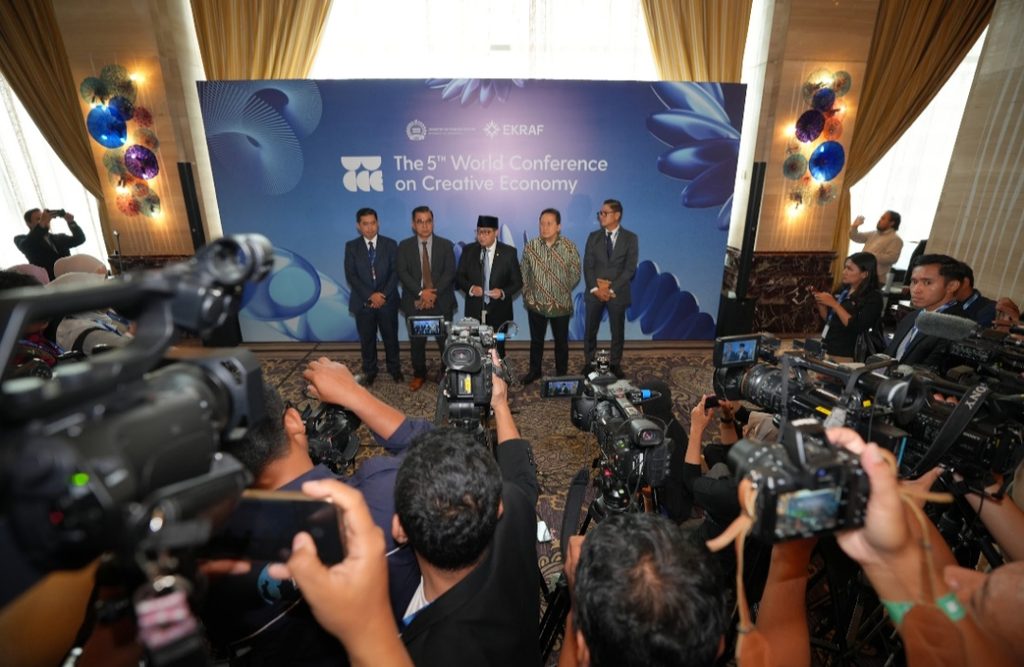
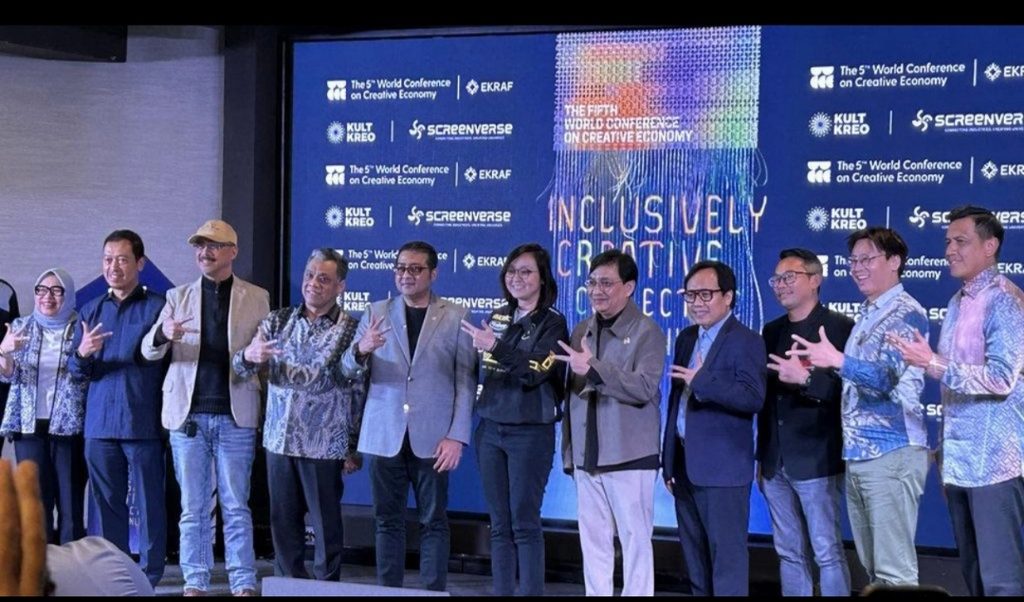
In October 2026, the conference returns to Indonesia, the country where the initiative first began. The fifth World Conference on Creative Economy is taking place in Jakarta under the theme “Inclusively Creative: Collective Continuity.” The theme reflects a central idea: the future of the creative economy depends not only on individual talent, but also on the ability of communities, governments, businesses, and nations to work together and build on one another’s achievements.
From Bali to the World: How WCCE Began
The story of the World Conference on Creative Economy began in 2018, when Indonesia hosted the inaugural gathering in Bali from November 6–8.
At the time, interest in the creative economy was growing internationally. Creative industries were increasingly recognized for their ability to generate employment, encourage innovation, strengthen cultural tourism, and create new business opportunities. Nevertheless, many creative professionals and small businesses faced significant barriers, including limited access to financing, inadequate protection of intellectual property, and difficulties reaching international audiences.
Indonesia recognized the need for a broader international conversation about these challenges. The first WCCE was organized through the involvement of the country’s trade and foreign affairs ministries and its national creative economy agency, BEKRAF.
Representatives from approximately 50 countries and international organizations came together to explore how creative industries could contribute to economic development while preserving cultural diversity and supporting more inclusive societies.
The conference brought together discussions that had often taken place separately: culture and commerce, artistic expression and entrepreneurship, public policy and private investment. Its purpose was to demonstrate that creativity should not be viewed merely as a cultural asset, but as a meaningful component of economic development.
The Bali Agenda: Establishing a Shared Vision
One of the most significant outcomes of the inaugural conference was the Bali Agenda for Creative Economy, a framework containing 21 action points intended to guide international cooperation and the development of creative industries.
The agenda emphasized the importance of creating supportive conditions for creative entrepreneurs, improving access to finance and digital tools, protecting intellectual property rights, expanding markets, and strengthening international partnerships.
Its underlying message was straightforward: creative industries cannot reach their full potential without an ecosystem that supports the people behind them.
A talented artist may create an extraordinary work, but turning that work into a sustainable livelihood often requires education, business skills, distribution networks, investment, and access to an audience. The same principle applies to designers, filmmakers, musicians, writers, and creative entrepreneurs.
The Bali Agenda helped establish a shared international framework for addressing these challenges. It also laid the foundation for the concept that would become central to WCCE: Inclusively Creative.
The idea recognizes that creativity should be accessible to people from different backgrounds and communities, rather than concentrated among those who already have access to resources, professional networks, or major cultural centers.
That principle would continue to shape the conference in the years that followed.
2021: Dubai and the Future of Creative Work
The second WCCE took place in Dubai, United Arab Emirates, from December 7–9, 2021, as part of Expo 2020 Dubai.
Its theme, “Inclusively Creative: Cultivating the Future,” reflected a world undergoing profound changes in the way people work, communicate, and create.
The pandemic had accelerated digital transformation across many industries, while online platforms were opening new possibilities for artists, designers, musicians, and independent businesses. At the same time, these changes raised difficult questions about employment, accessibility, education, and the future of creative professions.
The Dubai conference addressed six key areas:
-sustainable development,
-the changing nature of work,
-technological transformation,
-inclusion and diversity,
-education,
-the evolving media and communications landscape.
Technology was no longer simply a tool for distributing creative work. It was becoming an integral part of how that work was conceived, produced, marketed, and experienced.
For creative professionals, this shift offered new opportunities but also required new skills and business models. Digital platforms could connect independent creators with global audiences, yet access to technology and the ability to compete in an increasingly crowded marketplace remained uneven.
By bringing these issues into a shared international discussion, WCCE 2021 strengthened the conference’s role as a meeting point for people working at the intersection of creativity, technology, education, and public policy.
2022: Returning to Bali to Explore Global Recovery
The third World Conference on Creative Economy returned to Bali from October 5–7, 2022, under the theme “Inclusively Creative: Global Recovery.”
The timing was significant. The COVID-19 pandemic had severely disrupted cultural and creative industries around the world. Concerts and festivals had been canceled, cultural institutions had faced financial pressure, and many independent artists and small creative businesses had lost substantial portions of their income.
For those working in the creative economy, recovery meant more than reopening venues or restarting events. It required rebuilding livelihoods, restoring professional networks, and finding new ways to operate in an uncertain economic environment.
The 2022 conference focused on four broad areas:
-global economic recovery through creative industries,
-intellectual property rights,
-inclusion and the United Nations Sustainable Development Goals,
-the future of the creative economy.
A notable outcome was the Bali Creative Economy Roadmap 2022, which contributed to the ongoing international conversation about the long-term development of the sector.
The conference reinforced the idea that creative industries can play an important role not only during periods of economic growth, but also in times of crisis. They can support employment, encourage innovation, strengthen communities, and help preserve cultural life when traditional economic structures face disruption.
The Bali gathering also demonstrated the importance of maintaining continuity between international conferences. The challenges discussed in 2022 were closely connected to those identified in 2018, but the global circumstances had changed, requiring new approaches and practical responses.
2024: Tashkent and the Changing Reality of Creativity
The fourth WCCE took place in Tashkent, Uzbekistan, from October 2–4, 2024. Organized with the involvement of Uzbekistan’s Art and Culture Development Foundation, the conference adopted the theme “Inclusively Creative: A Shifted Reality.”
The choice of theme reflected one of the most significant developments facing creative industries: the rapid advancement of artificial intelligence and digital technologies.
AI tools were changing the way images, music, text, and other forms of creative content could be produced. Digital platforms were reshaping distribution, while automation was raising new questions about the future of work and the value of human expertise.
These developments brought intellectual property to the forefront of the discussion. Who owns a work created with the assistance of artificial intelligence? How can original artistic contributions be protected? What responsibilities do technology companies have toward creators? And how can creative professionals adapt without losing control over their work?
The Tashkent conference explored six areas:
-the future of work,
-creative and intelligent cities,
-education,
-artificial intelligence and intellectual property,
-inclusive and sustainable development,
-changing lifestyles within the creative economy.
For artists, photographers, journalists, designers, musicians, and writers, these questions were not abstract. They concerned the practical realities of earning a living, maintaining professional independence, and protecting creative contributions in a rapidly changing marketplace.
The 2024 gathering marked an important evolution in the WCCE conversation. Earlier conferences had emphasized building the foundations of creative industries and strengthening international cooperation. By 2024, the discussion had expanded to consider how those industries could protect human creativity and remain economically sustainable amid technological disruption.
WCCE 2026: Returning to Indonesia with a New Vision
The fifth World Conference on Creative Economy returns to Jakarta, Indonesia, in October 2026.
The return to Indonesia carries particular significance. It brings the initiative back to the country where the original vision took shape, while offering an opportunity to assess how much the global creative economy has changed since 2018.
This year’s theme, “Inclusively Creative: Collective Continuity,” places collaboration, long-term development, and the sharing of knowledge at the center of the conversation.
The theme suggests that progress in the creative economy cannot be measured solely by the success of individual companies or the growth of particular industries. It also depends on whether knowledge is passed between generations, whether smaller communities can participate, and whether successful ideas can be adapted and developed across different cultural and economic contexts.
According to the organizers, the conference is expected to bring together delegates from 80 countries. Its program combines policy discussions, expert sessions, creative showcases, and opportunities for professional exchange.
Four Pillars of the 2026 Program:
Friends of Creative Economy
This platform brings together policymakers, creators, and experts to discuss the challenges facing creative industries and identify opportunities for international cooperation. It reflects the conference’s commitment to building relationships that extend beyond a single event.
Plenary and Creative Sessions
Through plenary discussions and specialist sessions, participants examine the forces shaping the future of creative industries. These sessions offer opportunities to exchange perspectives on industry growth, innovation, entrepreneurship, and the policies needed to support creative professionals and businesses.
Creativillage
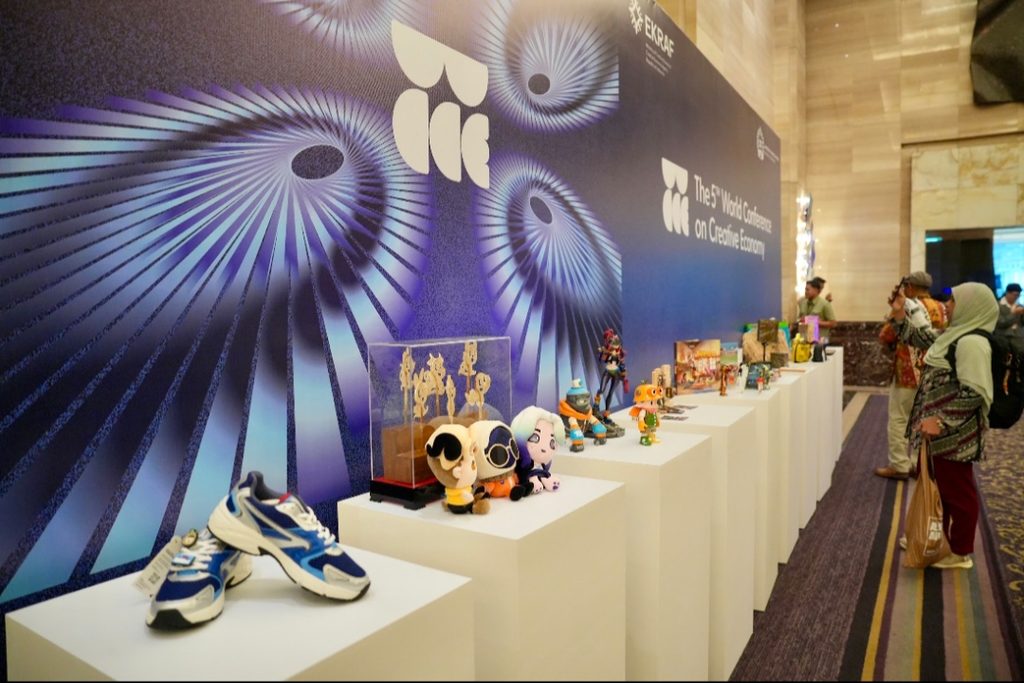
Creativillage provides a more hands-on experience of the creative economy. Through creative projects, cultural products, and interactive showcases, visitors can encounter the ideas and work of artists, makers, and entrepreneurs. The format highlights the tangible results of creativity and gives participants an opportunity to engage with projects beyond the conference stage.
Ekraf National Day
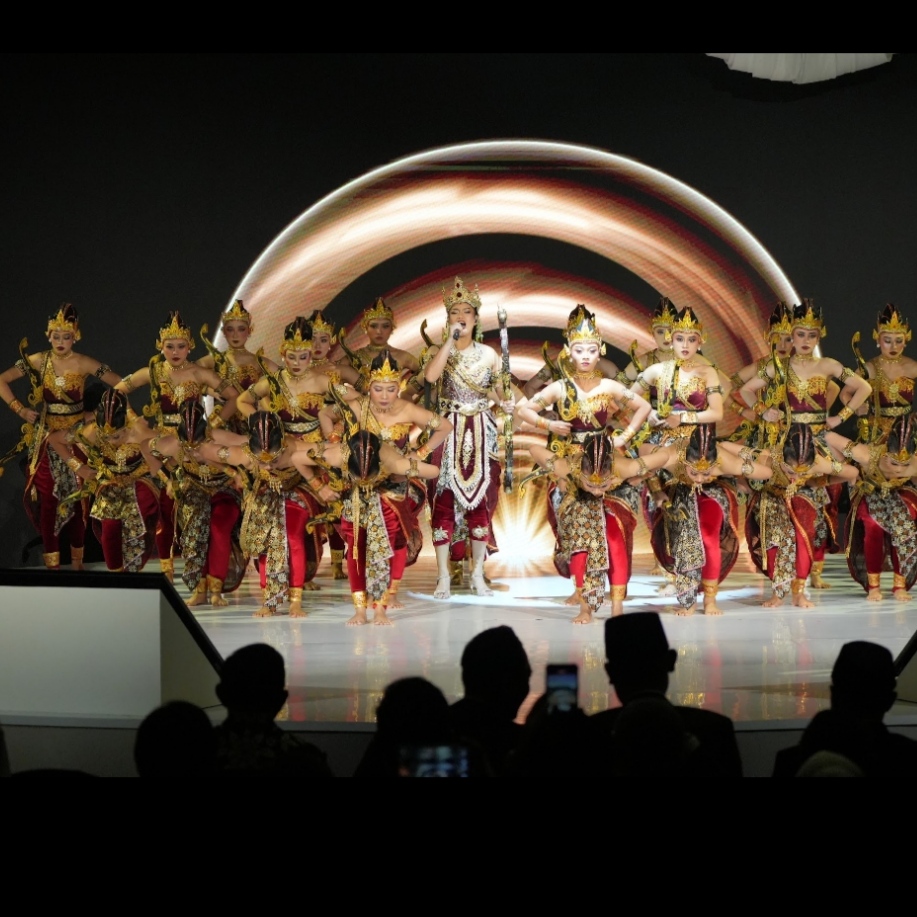
Dedicated to Indonesia’s national creative economy, this component highlights the country’s local creative communities and entrepreneurial potential. It provides an opportunity to celebrate Indonesian creativity while encouraging professional connections, knowledge exchange, and the development of local creative businesses.
Together, these four components connect policy and practice. They create space for discussions about the future of the industry while also recognizing the people, products, and communities that make the creative economy possible.
The Voices Shaping WCCE 2026
The 2026 conference brings together representatives from government, investment, music, entrepreneurship, fashion, and the broader creative industries. Their different professional backgrounds reflect the multidisciplinary nature of the event.
The following profiles draw on the names and titles displayed on the official WCCE website and speaker cards. They highlight selected participants rather than presenting an exhaustive list of all 45 speakers announced by Indonesia’s Ministry of Creative Economy.
Government and Public Policy
Teuku Riefky Harsya — Minister of Creative Economy of Indonesia
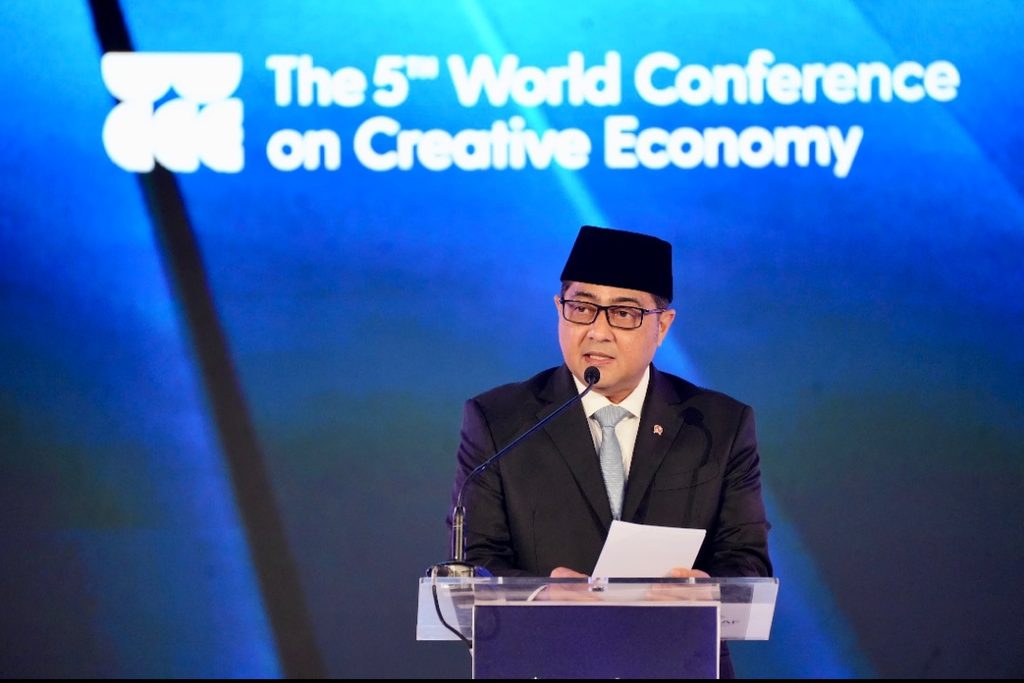
Teuku Riefky Harsya leads Indonesia’s national creative economy portfolio. His role reflects the government’s efforts to strengthen the country’s creative ecosystem, support local talent, and improve the international competitiveness of Indonesian creative products. His participation highlights the importance of public policy in creating the conditions for creative businesses and professionals to grow.
Arrmanatha Christiawan Nasir — Minister for Foreign Affairs
Arrmanatha Christiawan Nasir represents the diplomatic dimension of the conference. International collaboration in the creative economy depends not only on business relationships, but also on cultural exchange, international dialogue, and cooperation between countries.
Airlangga Hartarto — Coordinating Minister for Economic Affairs
Airlangga Hartarto brings a broader economic perspective to the discussion. His portfolio connects creative industries with national development priorities, investment, and the search for new sources of sustainable growth.
Pramono Anung — Governor of Jakarta
As governor of Indonesia’s capital, Pramono Anung represents the role cities can play in supporting creative communities, cultural infrastructure, entrepreneurship, and innovation. Jakarta’s position as a major economic and cultural center makes it a fitting host for a conference focused on the relationship between creativity and development.
Sherly Tjoanda — Governor of North Maluku
Sherly Tjoanda represents the importance of regional participation in the creative economy. Indonesia’s creative potential extends well beyond Jakarta, encompassing local traditions, crafts, cultural heritage, and entrepreneurial initiatives that can contribute to regional development.
Tony Burke — Australia’s Minister for Home Affairs, Immigration and Citizenship, Cyber Security and the Arts
The official WCCE speaker card identifies Tony Burke by this ministerial title. His portfolio connects cultural policy with broader questions of public administration, digital security, and international cooperation.
Irene Umar — Deputy Minister of Creative Economy
Irene Umar’s participation represents the institutional work involved in developing Indonesia’s creative economy. Her role connects the conference’s international discussions with the country’s domestic efforts to support creative industries.
Yovie Widianto — Special Presidential Adviser on Creative Economy
An Indonesian musician and composer, Yovie Widianto brings experience from the music industry to discussions about creative development. His role as a special presidential adviser links the practical realities of artistic work with wider questions of policy and sector growth.
Investment and Creative Entrepreneurship
Kendy Kamwambia — Managing Partner, HEVA Fund
Kendy Kamwambia represents the investment perspective on the creative economy. HEVA Fund works with creative businesses in Africa, making his participation relevant to discussions about financing, entrepreneurship, and the challenge of helping promising creative enterprises become sustainable and scalable.
Pandu Patria Sjahrir — Chief Investment Officer, Danantara
Pandu Patria Sjahrir brings an investment perspective to the discussion. His participation highlights the role that capital and financial structures can play in supporting emerging industries and expanding economic opportunities.
Jacob Gatot — MBloc
Representing MBloc, a creative space in Jakarta, Jacob Gatot is associated with an approach to cultural development that brings communities, creative projects, and public engagement together. Creative spaces can help artists and entrepreneurs connect with audiences while contributing to the cultural life of a city.
Anton Wirjono — Brightspot
Anton Wirjono represents the intersection of fashion, design, brands, and contemporary lifestyle. His connection with Brightspot reflects the importance of platforms that bring creative businesses and consumers together, helping new products and ideas reach wider audiences.
Shinta W. Kamdani — APINDO
Shinta W. Kamdani is identified on the official speaker card by her association with APINDO, Indonesia’s employers’ association. Her participation brings a business-community perspective to the conversation about entrepreneurship, economic development, and the conditions needed for businesses to thrive.
Putri Indahsari Tanjung — Chief Experience Officer, CT Corp
Putri Indahsari Tanjung represents a generation of Indonesian business leaders working at the intersection of entrepreneurship, consumer experience, and creative industries. Her role at CT Corp connects the discussion to the development of experiences, brands, and business models that engage contemporary audiences.
Fashion, Design, and Creative Strategy
Bibi Russell — Fashion Designer, Bibi Productions
Bibi Russell is a fashion designer whose work connects design with cultural identity and traditional craftsmanship. Her presence highlights the potential of fashion to preserve heritage while creating contemporary products and economic opportunities for artisans and creative communities.
Clayton Welham — Partner and Executive Creative Director, Found
Clayton Welham represents the fields of creative strategy, branding, and communications. His work reflects the relationship between original ideas and their commercial application, a connection that is increasingly important as creative businesses compete for attention in global markets.
The official WCCE website also features additional participants from international creative, business, and cultural communities. These include speakers identified in the online listing by names such as Dany, Ruben, Apoorva, Danny, Irawan, Jose M., Angga Dimas, Rifat S., Andre, Laksamana, Asep, Asri, Clare, Imaniar, Aryenda, Lalu, Mattheu, Edna, Noviar, Xin Gu, Andy, Yohei, Aaron, Alamanda, Daniel, Emil Dardak, Florian, DalianA, Piyapong, Faza, Susumu, and Mike.
Because the official webpage does not provide full names and professional biographies for every person in this group, they are not assigned additional titles here. The official program remains the appropriate reference for confirming the complete speaker roster and individual session assignments.
Why the Creative Economy Matters More Than Ever
The creative economy extends far beyond traditional definitions of the arts. It includes publishing, photography, architecture, advertising, fashion, gaming, digital content, design, music, film, and many other fields in which intellectual and creative work generates economic value.
For many professionals, these industries offer a path toward greater independence. An artist can build a personal brand, a writer can reach international publications, a designer can develop products for global markets, and a small creative business can find customers far beyond its local community.
Yet the ability to turn creativity into a sustainable livelihood remains uneven.
Access to finance, professional networks, education, digital infrastructure, and legal protection can determine whether a talented creator is able to develop a viable business. Without these resources, even exceptional work may struggle to reach an audience or generate reliable income.
This is why international cooperation matters. Conferences such as WCCE create opportunities to exchange ideas, discuss effective policies, identify potential partners, and explore approaches that can be adapted to different national contexts.
The creative economy also has a broader social dimension. It can help preserve languages and traditions, support cultural diversity, create opportunities for younger generations, and bring new economic activity to regions that might otherwise remain outside major commercial centers.
When approached strategically, creativity becomes a bridge between cultural identity and economic development.
From International Dialogue to Lasting Change
The history of WCCE reveals a gradual evolution in the way the world approaches creative industries.
The first conference in Bali established a shared international agenda. Dubai explored the future of creative work and technological change. The 2022 gathering examined recovery and resilience after the pandemic. Tashkent focused on artificial intelligence, intellectual property, and the changing realities of creative professions.
In 2026, the emphasis on collective continuity brings these discussions together, asking how their lessons can inform the next stage of development.
The conference’s publications and historical records provide an important foundation for this ongoing conversation. The Bali Agenda, the 2022 creative economy roadmap, and the reports from previous gatherings demonstrate an effort to maintain continuity between meetings rather than treating each conference as an isolated event.
Still, the lasting value of an international conference is determined by more than the number of participants or the scale of its program.
Its real impact depends on what happens afterward: whether partnerships lead to new projects, whether creative businesses gain access to funding, whether educational opportunities expand, whether intellectual property is better protected, and whether independent creators can build more sustainable careers.
These are the outcomes against which the broader ambitions of WCCE will ultimately be measured.
Looking Ahead:
From its beginnings in Bali in 2018 to its return to Indonesia in 2026, the World Conference on Creative Economy has followed the development of an industry that continues to redefine its relationship with technology, culture, business, and society.
The central idea has remained consistent: creativity has both cultural and economic value, and its potential is greatest when people have the opportunity to develop, share, and benefit from their work.
The 2026 theme, “Inclusively Creative: Collective Continuity,” reinforces the importance of collaboration across generations, professional communities, governments, and markets. Creative industries do not develop in isolation. Their long-term success depends on systems that allow ideas to become projects, projects to reach audiences, and creative work to support sustainable livelihoods.
The return to Indonesia also serves as a reminder that international cooperation must continue beyond the conference itself. Its influence will be reflected in the partnerships formed, the projects developed, and the practical decisions made by participants after they return to their communities.
As the 2026 conference unfolds, its final outcomes remain to be assessed. However, the history of WCCE already demonstrates a significant shift in how creativity is understood: not simply as an expression of culture, but as a contributor to economic opportunity, innovation, and inclusive development.
Perhaps the most important question facing the creative economy today is not simply how much it can grow, but how widely its benefits can be shared.
Author Mira Shpak
